
Summer Springboard
Design and Engineering for Complex Global Challenges
ON THE CAMPUS OF MIT*
* To maximize the hands-on experience of this academic course (9am – noon), it will be held off the campus of MIT, in the Kendall Square, Cambridge, MA area.
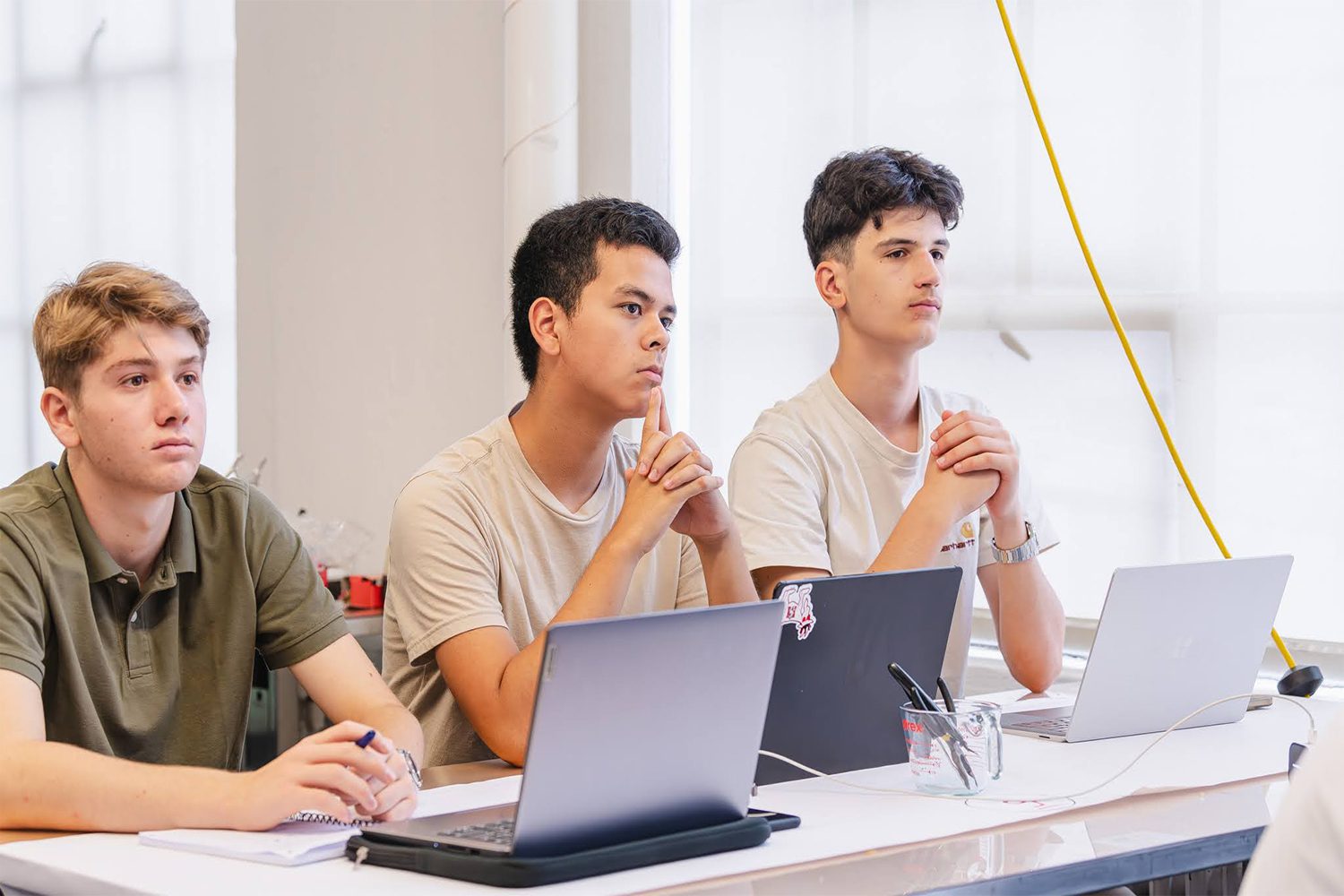
FROM IDEAS TO IMPACT: DESIGNING PRACTICAL SOLUTIONS FOR COMPLEX GLOBAL CHALLENGES
THIS IS A TWO-WEEK PROGRAM WHERE YOU’LL FOCUS ON ONE COURSE FOR THE ENTIRE DURATION.
Design and Engineering for Complex Global Challenges @ Cambridge, MA
- Work alongside instructors and global community partners to tackle authentic challenges with real social and environmental impact.
- Experience higher education learning and philosophy by integrating hands-on building with analytical thinking and design reasoning.
- Gain firsthand experience addressing complex global issues such as clean water, energy access, agriculture, housing, and mobility.
- Learn how to collaborate across cultures and disciplines while designing for specific communities around the world.
- Develop practical making skills through prototyping using accessible materials and tools in the D-Lab makerspace.
- Explore pathways in design, engineering, and social impact through mentorship, real projects, and exposure to professional avenues.
Summer Springboard
Design and Engineering for Complex Global Challenges
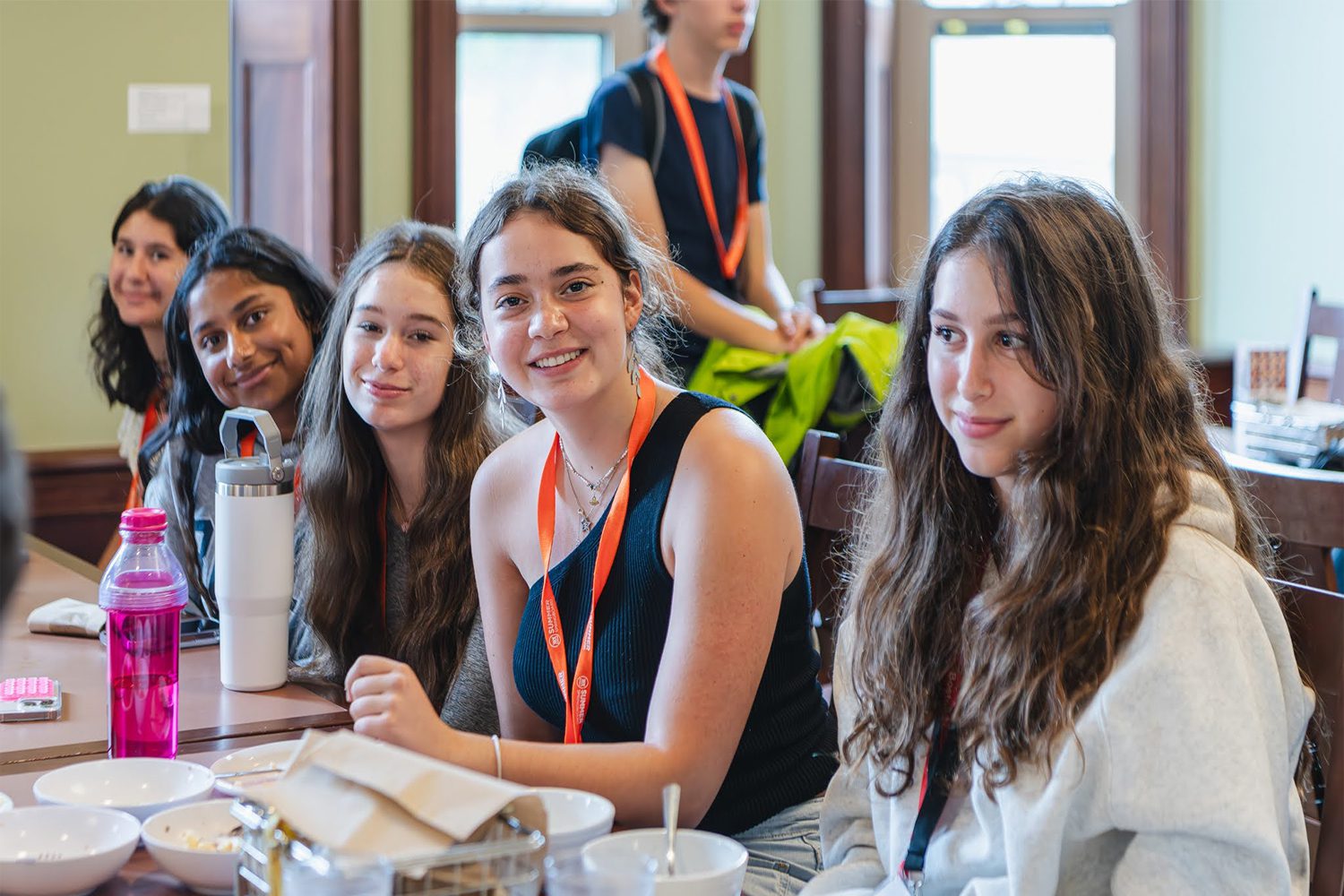
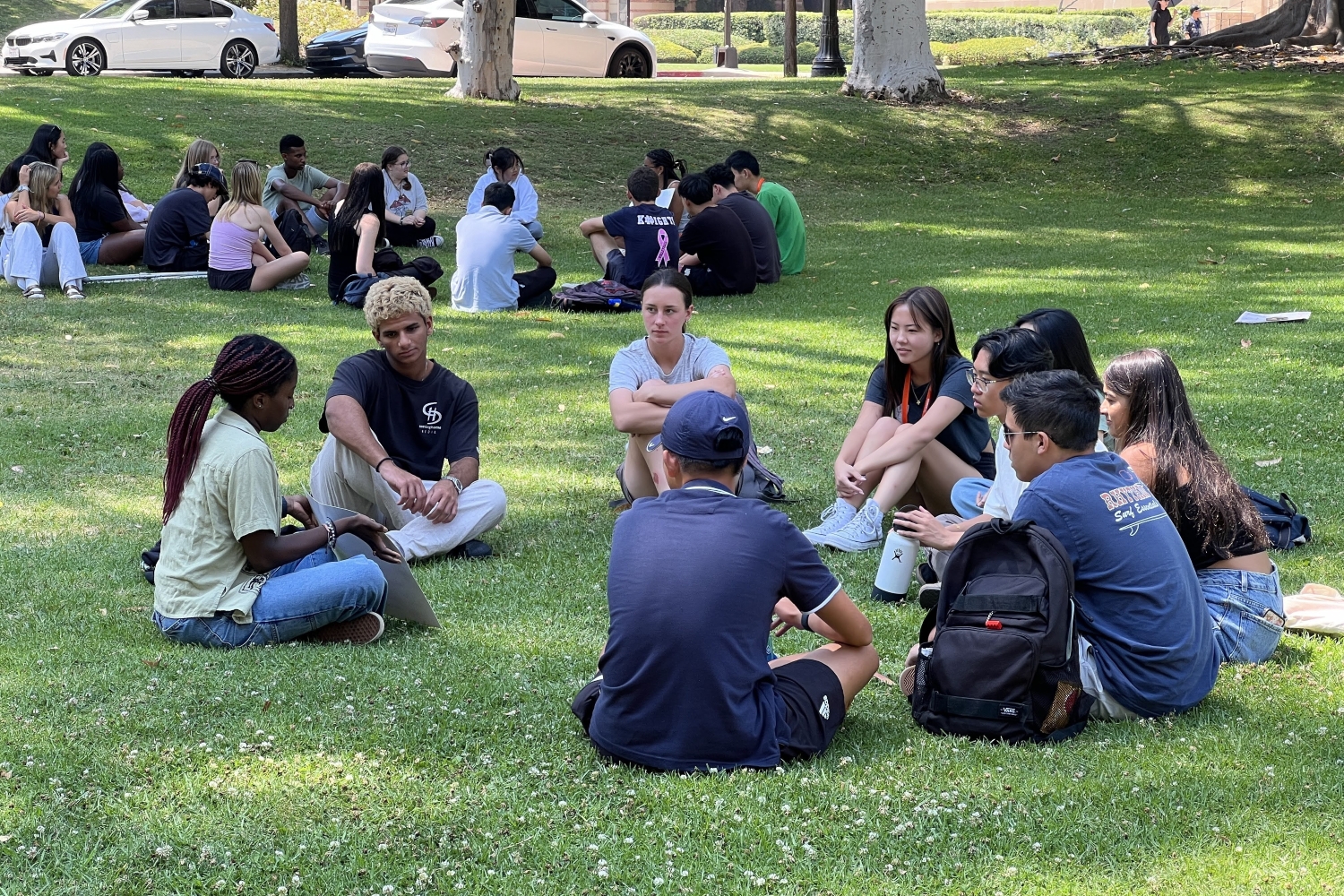
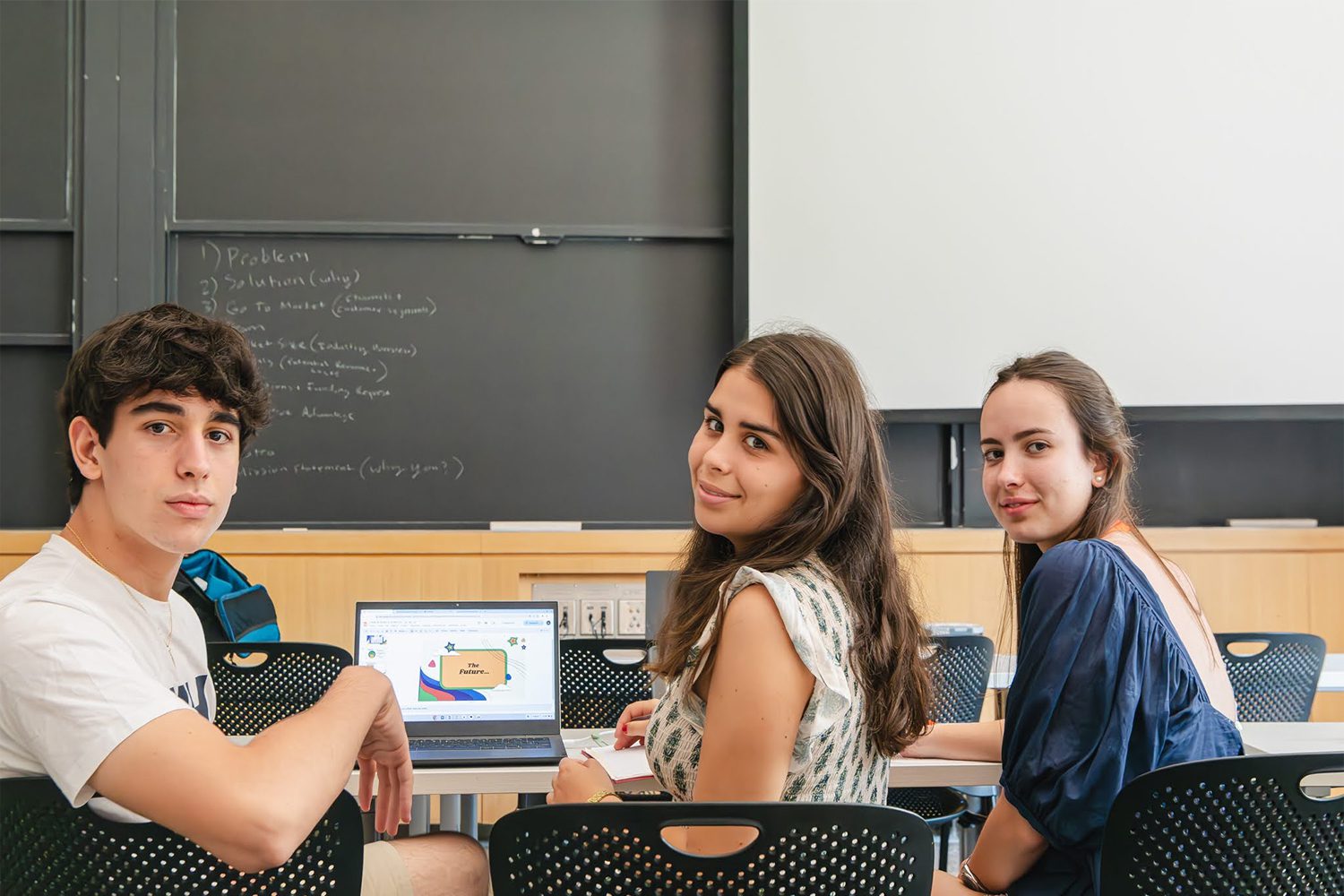
About This Course
In Design and Engineering for Complex Global Challenges, students will design, prototype, and test a real-world solution to a complex challenge with MIT instructors and community partners from around the world. Class instructors Heewon Lee (industrial designer) and Dr. Dan Sweeney (mechanical engineer) will teach the course with support from MIT students. The course embraces MIT’s mens et manus (mind and hand) approach, combining daily lectures with hands-on making so students learn practical skills and the reasoning behind design decisions.
At the onset of the class, students will be presented with several carefully selected challenge briefs. Students will then choose a challenge and form small teams based on interest and alignment. The challenges will focus on a specific community but will range across various topics such as smallholder agriculture, clean water, household energy, affordable housing, and accessible mobility. Past student projects include a flow-powered water pump with an indigenous community in São Paulo, Brazil, and an elephant alert and deterrent system in Tanzania.
Following team formation, students will learn and apply the design process and gain knowledge and skills in information gathering, user research, effective teamwork, ideation, concept selection, prototyping, and evaluation. At different points during the course, the team will receive information and input from a local community partner in Tanzania, Uganda, India, or another location through resources and collaboration portals (65-inch Samsung Smart TVs, webcams, and conferencing tools).
Although most of the prototyping will focus on using basic fabrication methods with hand tools and accessible materials, students will also have supervised access to equipment and mechanized tools in the D-Lab makerspace. The structure of the class will include daily lectures, discussions, and reflections complemented by hands-on making, mentorship, and feedback to reinforce concepts around design thinking, making, and ethical research.
TOPICS YOU'LL EXPLORE
Hands-on Learning
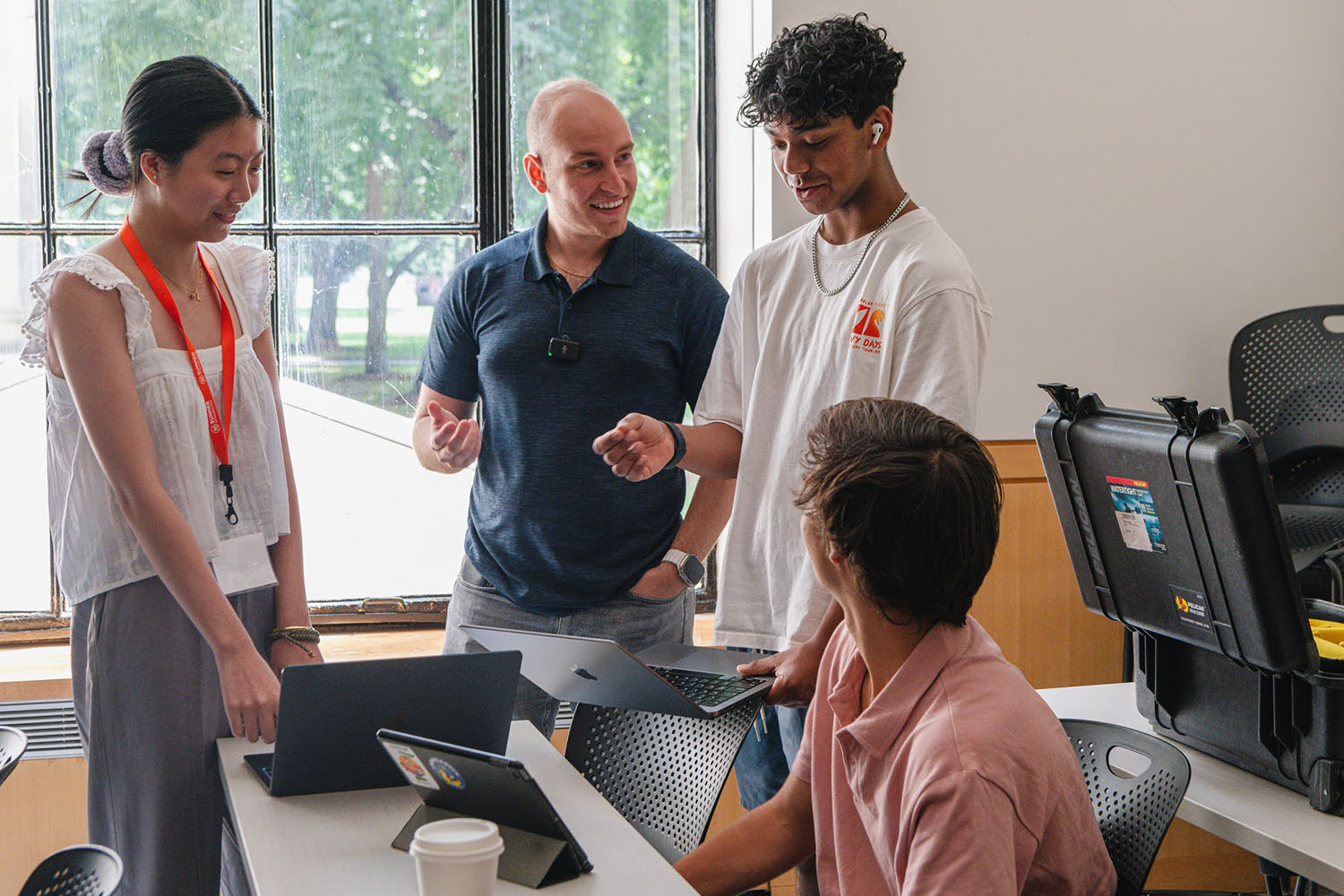
Students engage in hands-on making by working in small teams to prototype, test, and refine real-world solutions in the D-Lab makerspace. Through iterative building, mentorship, and feedback, students apply the design process while learning practical skills that connect design decisions to real community needs.
Career Exploration
The course offers students exposure to careers in design, engineering, and social impact by working closely with instructors in the field, fellow students, and global community partners. Through real-world projects and mentorship, students gain insight into professional pathways while developing skills used by designers and engineers tackling complex global challenges.
RESOURCES
Course Infosheet
Click here to view or download the printable infosheet for this course.
Program Catalog
Click here to request our catalog to learn more about our summer programs and courses.
Campus Page
Click here to view the website page for this campus and learn more.
“SSB has been a completely new and valuable experience. It manages to encapsulate the feeling of a fun summer getaway while still providing valuable and enlightening experiences that educate and help to guide students through their future.”
-Emir B. | Alumni Student
Summer Springboard
Design and Engineering for Complex Global Challenges
Meet Your Instructors
Heewon Lee
Heewon Lee is an industrial designer and educator at MIT and RISD who is deeply committed to using design education for humanitarian and developmental purposes. As a member of the MIT D-Lab Humanitarian Innovation team, Heewon focuses on designing and managing projects aimed at enhancing creative capacity among youth in low-resource settings.
Currently, Heewon is dedicated to exploring the potential applications of repurposed electronic devices in various developmental sectors, including agriculture, education, health, and energy. Through collaborative efforts with community innovators in refugee camps in northern Uganda and rural areas of Tanzania, he strives to co-design solutions that improve local technologies and positively impact businesses and lives.
Originally from South Korea, Heewon earned a master’s degree in Interaction Design from the Umeå Institute of Design and later completed PhD coursework at the Korea Advanced Institute of Science & Technology (KAIST). Throughout his career, he has worked on diverse projects spanning product design, interaction design, and graphic design.
Dan Sweeney
Dr. Dan Sweeney has been a research scientist, lecturer, and mechanical engineer at MIT D-Lab since 2013. He works with community partners around the world to design and evaluate affordable products and the machines that produce them at scale, while also using technology to responsibly access hard-to-reach information.
Dr. Sweeney has taught design and engineering in low-resource settings to dozens of MIT students. He holds a B.S. in Mechanical Engineering from Colorado State University and a Ph.D. in Mechanical Engineering from the University of Utah, and he was a Fulbright Fellow in Sweden. He has also co-founded social businesses in Uganda and India.
“My experience was very fun and I loved it. I made great lifelong friends and learned a lot. I would recommend this to anyone who is thinking about it.”
-Shiloh D. | Alumni Student
Summer Springboard
Design and Engineering for Complex Global Challenges
Dates & Tuition
| 2026 Dates |
|---|
| Session 1: June 21 – July 3, 2026 |
| Session 2: July 5 – July 17, 2026 |
| Session 3: July 19 – July 31, 2026 |
Click here to enroll in this course using our online enrollment form.
| Tuition |
|---|
| Residential Tuition: $6,798 |
| Commuter Tuition: $3,498 |
| Course Supplement: $250 |
Tuition Protection Plan: Allows for cancellation for any reason up until the day of the program.
| Location |
|---|
| City: Cambridge |
| State: Massachusetts |
| Campus: MIT* |
* To maximize the hands-on experience of this academic course (9am – noon), it will be held off the campus of MIT, in the Kendall Square, Cambridge, MA area.
Summer Springboard programs are not run by our campus partners (with the exception of Cal Poly, UW Foster and NYSID which are run in partnership with SSB). Universities and their affiliated departments and partners do not control and are not responsible or liable in any manner for any part of the Summer Springboard program.