Summer Springboard
Middle School Marine Biology
ACADEMIC COURSE

DISCOVER OCEAN ANIMALS AND HABITATS THROUGH FUN LABS, OUTDOOR EXPLORATION, AND ACTIVITIES THAT SHOW HOW TO PROTECT MARINE LIFE.
Course Highlights
- Study diverse marine ecosystems and species, including vertebrates and invertebrates, through immersive academic activities.
- Dissect marine organisms and explore their anatomy via hands-on labs and field experiences.
- Investigate human and natural threats to the oceans alongside today’s conservation strategies.
- Hear directly from marine biology professionals about career paths and research opportunities.
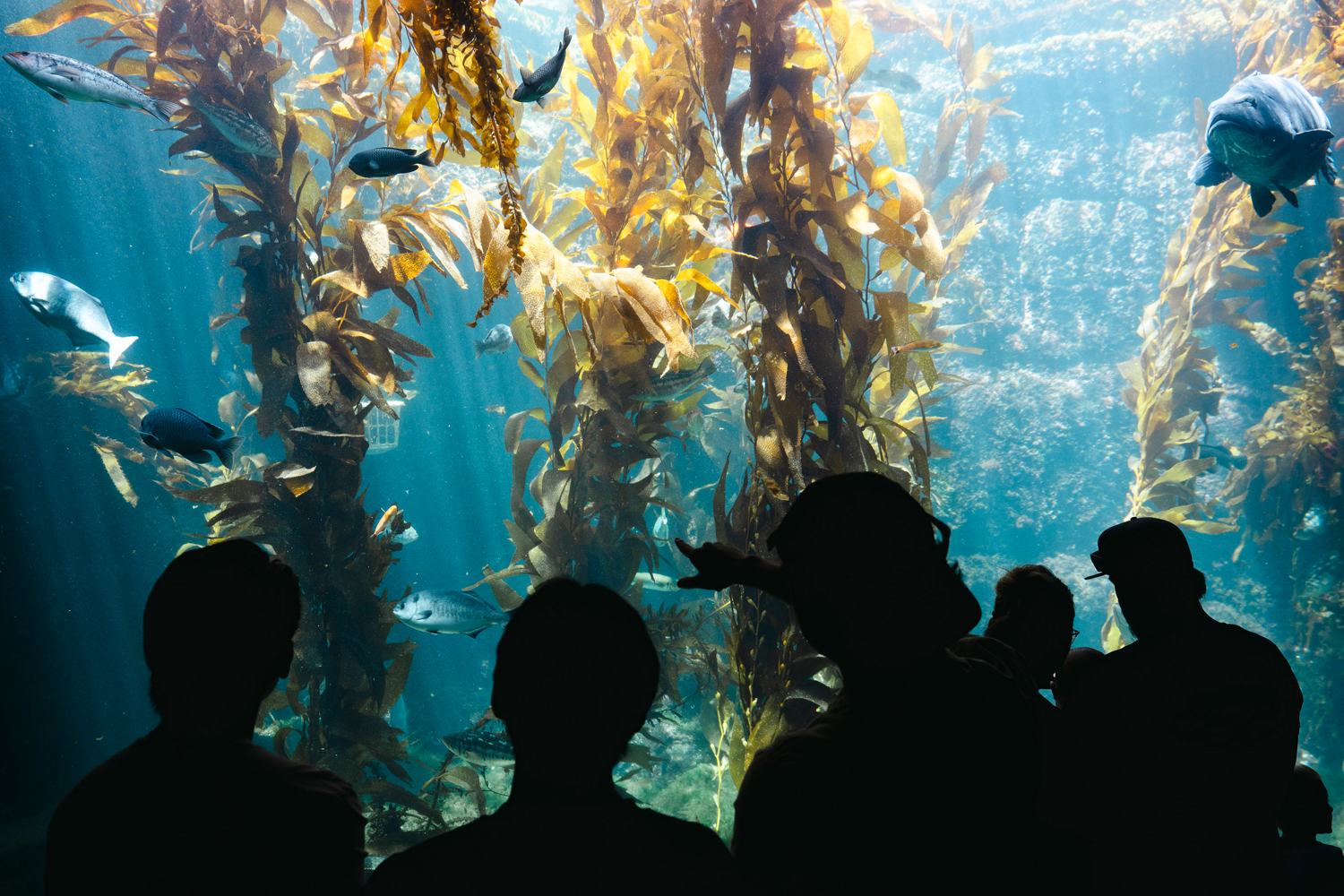
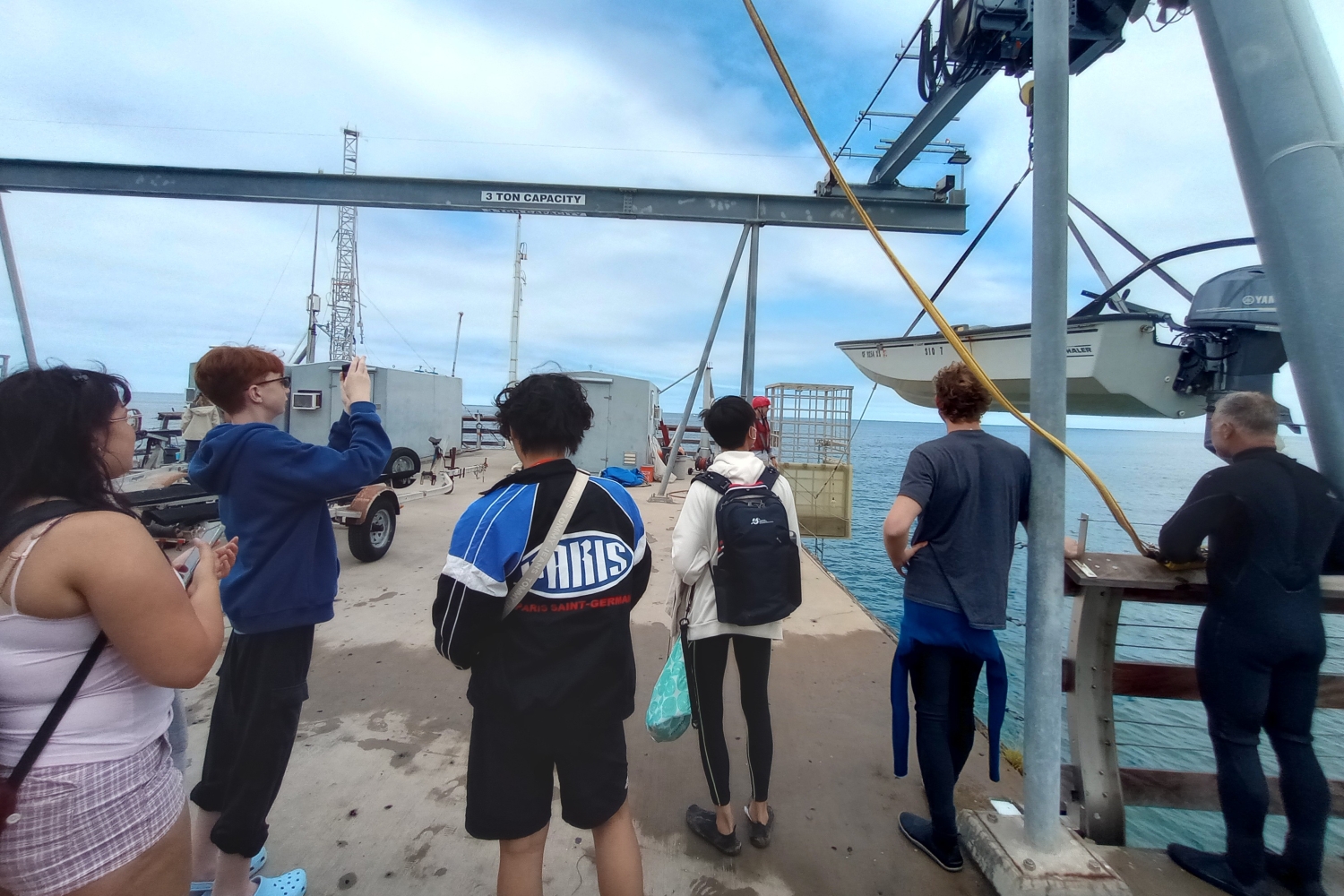
- Visit iconic marine research and education sites, including Birch Aquarium and Scripps Institution of Oceanography.
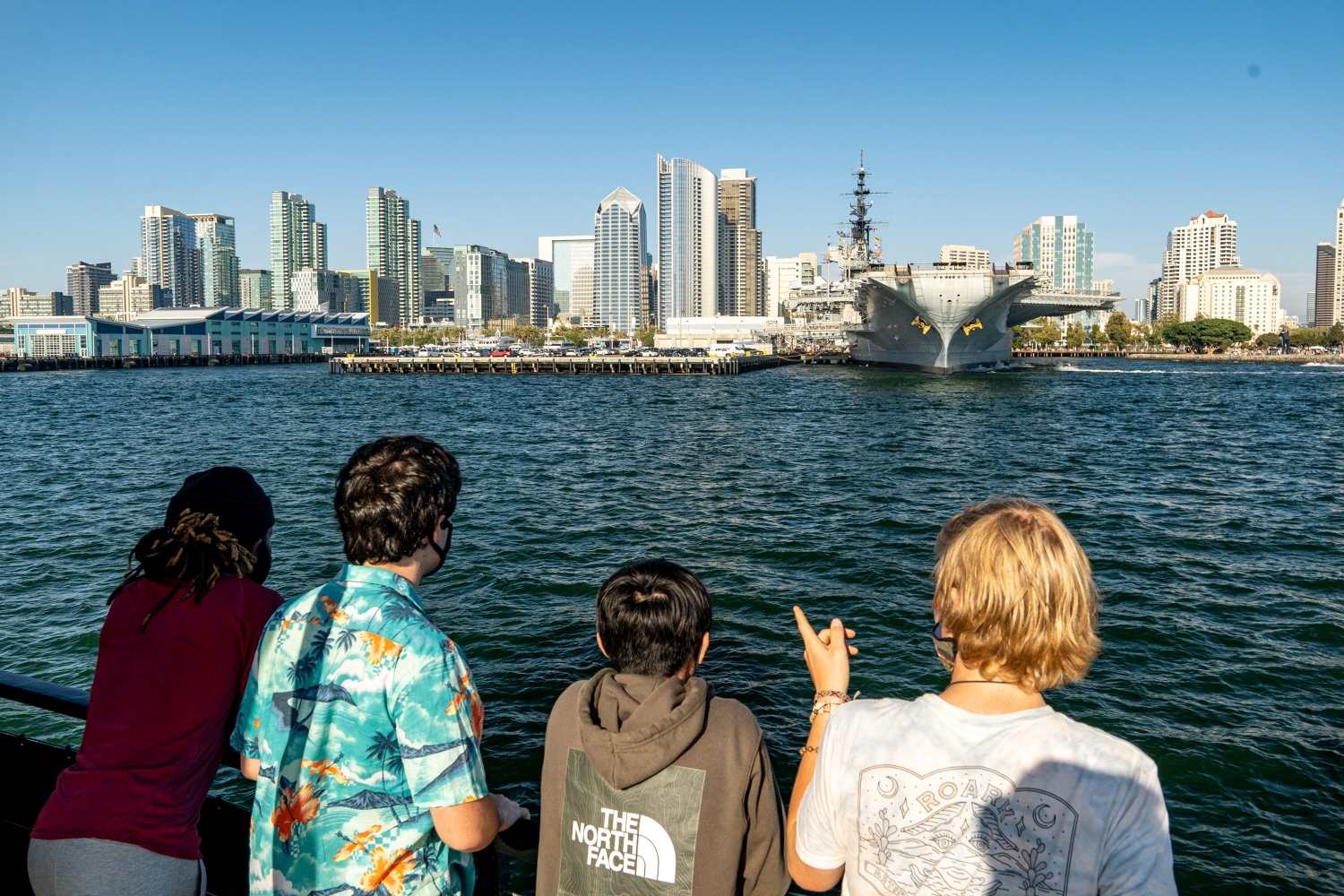
- Engage in field excursions like whale watching, tidepooling, and exploring marine biodiversity centers.
Summer Springboard
Middle School Marine Biology

Course Overview
Roughly 70% of the Earth’s surface is covered by our oceans, of which more than 80% remains unmapped, unobserved, and unexplored. There is a vast and diverse amount of marine life and ecosystems found in our oceans – those both discovered and researched and those still wading in the depths.
Summer Springboard’s course in Marine Biology will offer students the opportunity to explore these various marine life and ecosystems, and more, through quality instruction and hands-on activities.
Students will explore the anatomy of select marine life, learn about the different habitats they live in and the ways their ecosystems interact, study various threats facing our oceans and marine life today, and hear from leading experts in the field.
LEARNING OUTCOMES
Outcome #1
Explore ocean ecosystems and marine species across different habitats through immersive and hands-on activities.
Outcome #2
Examine marine animal anatomy—including both vertebrates and invertebrates—through dissections and field studies.
Outcome #3
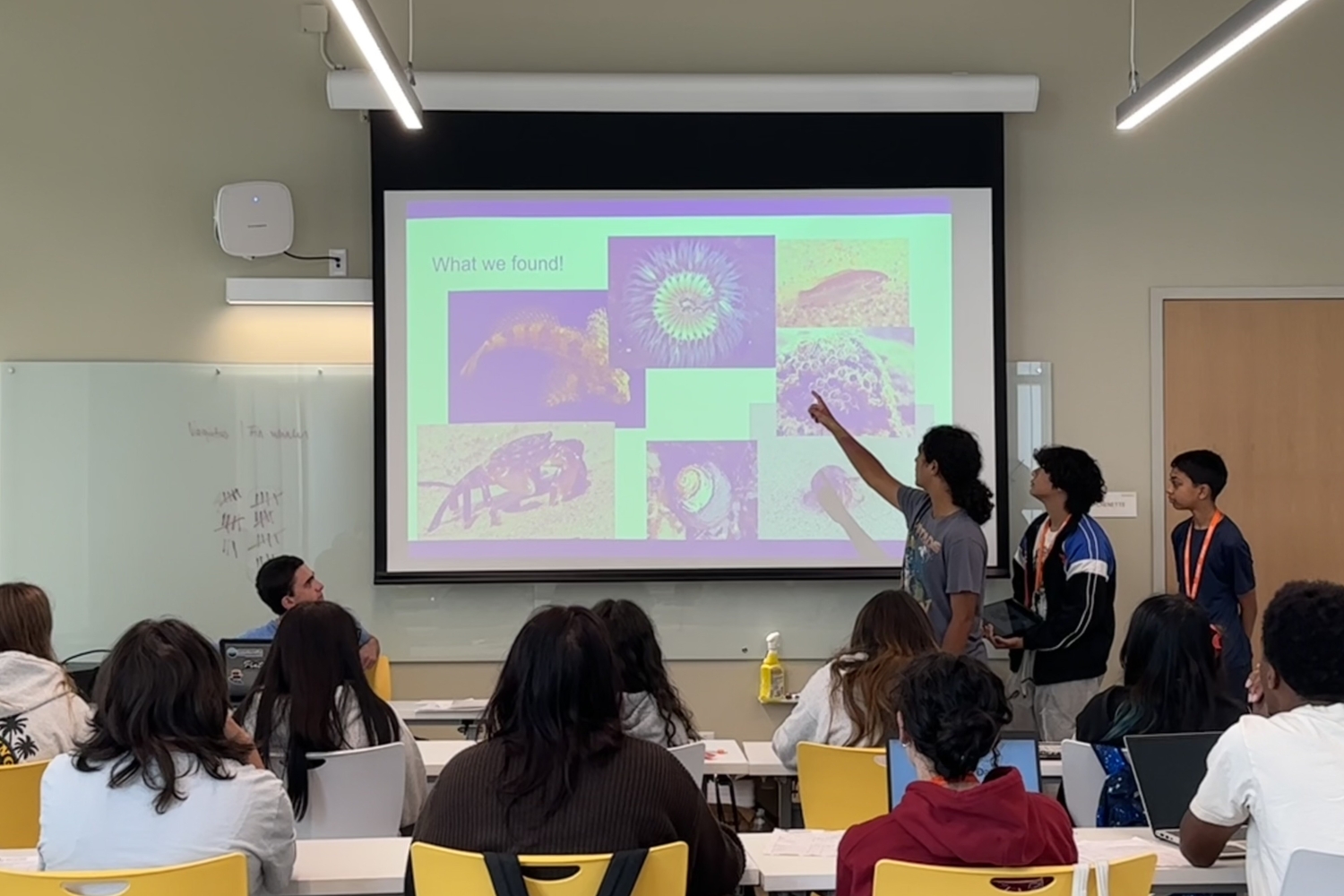
Carry out simple ecosystem health checks using sampling, data analysis, and biodiversity measurements.
Outcome #4
Investigate marine threats and conservation strategies, learning how science and people can protect ocean environments.