
Summer Springboard
Neuroscience & Behavioral Biology
ACADEMIC COURSE

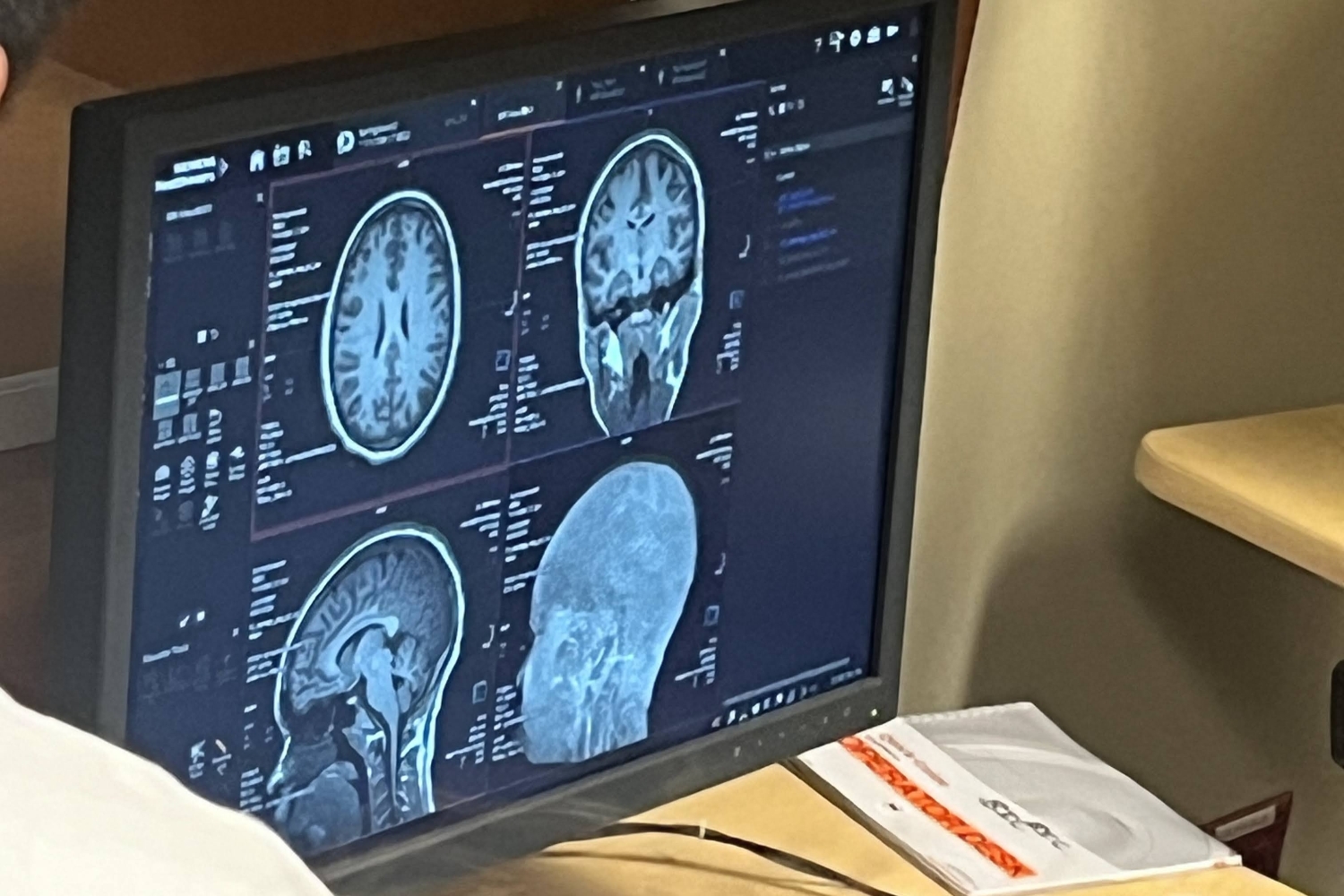
LEARN WHAT HAPPENS INSIDE THE BRAIN WITH THIS HANDS-ON JOURNEY THROUGH NEUROBIOLOGY, BEHAVIOR, AND EMERGING CAREERS IN NEUROSCIENCE
Course Highlights
- Conduct real neuroscience research including mammalian brain dissection and hands-on experiments on sensory perception, neural communication, and brain function.
- Study brain disorders and neurological conditions to understand how injury and disease affect the nervous system.
- Learn neuroscience research methods used in professional labs, including experimental design and cutting-edge neuroscience techniques.
- Explore careers in neuroscience through daily career discussions explore pathways to medical research, biotechnology, drug discovery, psychology, and biomedical engineering.
- Build college-level research skills by analyzing scientific papers and designing experiments—ideal preparation for pre-med, neuroscience, psychology, and biology majors.
- Experience how your senses work through hands-on activities exploring vision, hearing, smell, touch, and taste at the neural level.
Summer Springboard
Neuroscience & Behavioral Biology
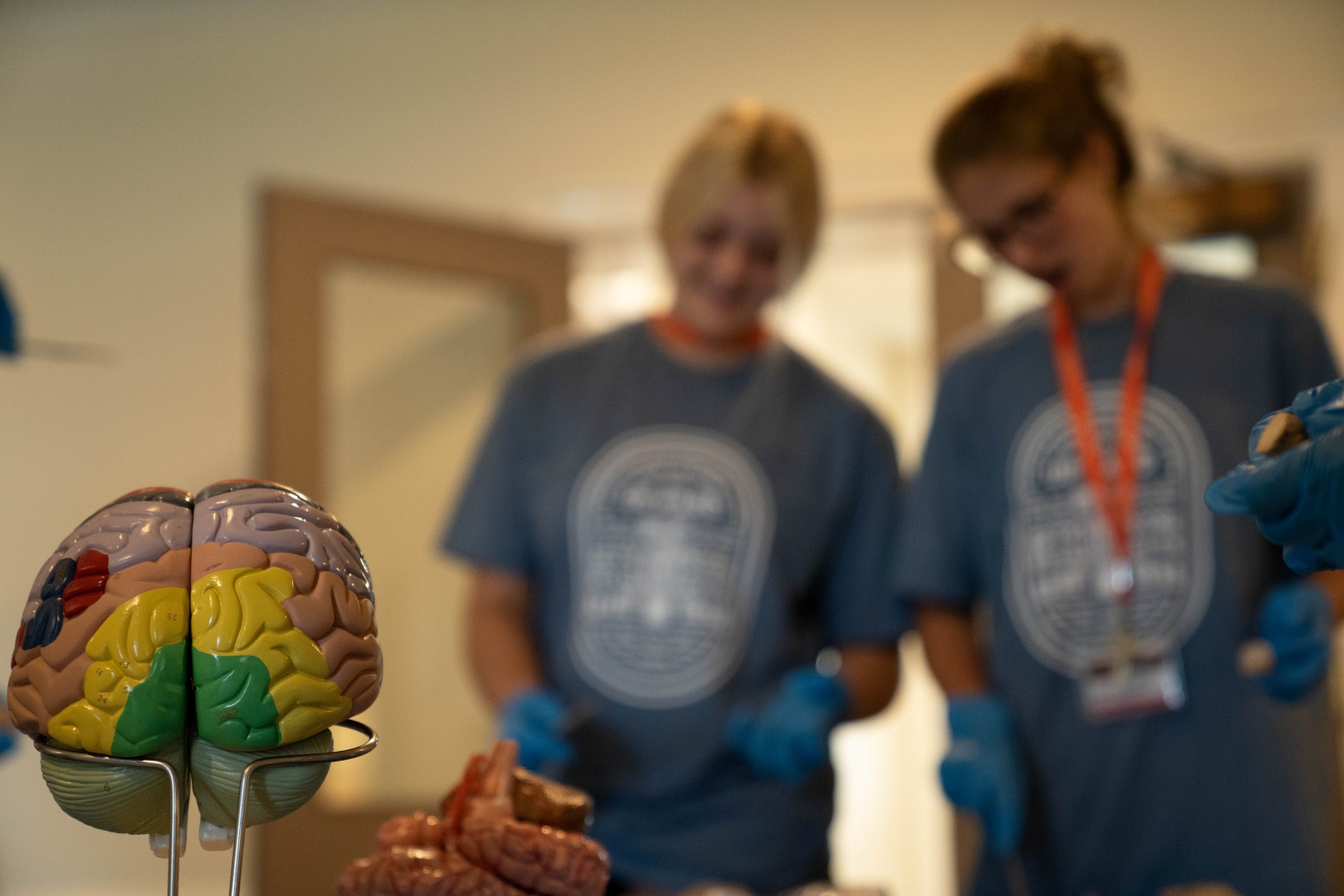


Course Overview
This comprehensive neuroscience and behavior biology (neurobiology) program gives high school students hands-on experience investigating how the brain and nervous system control thought, emotion, and behavior. Through hands-on experiments, brain dissection, and interactive activities, students explore neural communication from the molecular level to complex behaviors.
Students begin by building model neurons and progress to understanding action potentials through electronic simulation. The course examines all five sensory systems—vision, hearing, smell, touch, and taste—with hands-on activities demonstrating how the brain processes sensory information. Students explore neuroanatomy and investigate how brain disorders and neurological injuries disrupt nervous system function.
The curriculum emphasizes real-world neuroscience research methods. Students learn experimental design, work with model systems, examine the ethics of animal research, and explore cutting-edge neuroscience techniques used in professional laboratories. Daily career discussions showcase diverse pathways in neuroscience including academic research, biotechnology companies, drug development, clinical medicine, psychology, and biomedical engineering.
Students analyze scientific literature by studying the structure of research papers (introduction, methods, discussion, abstract) and culminate their learning with a mammalian brain dissection—the same hands-on experience pre-med and neuroscience majors complete in college.
LEARNING OUTCOMES
Outcome #1
Understand the structure and function of neurons, including how action potentials and neurotransmission enable neural communication throughout the nervous system.
Outcome #2
Explore how sensory systems (vision, hearing, smell, touch, taste) process information and how the brain integrates sensory input to produce behavior
Outcome #3
Investigate how brain disorders, neurological injuries, and diseases disrupt nervous system function and affect human behavior and cognition
Outcome #4
Apply neuroscience research methods including experimental design, laboratory techniques, and scientific analysis to understand how researchers study the brain.
Outcome #5
Evaluate career pathways in neuroscience across medicine, psychology, biotechnology, pharmaceutical research, and biomedical engineering.
Summer Springboard
Neuroscience & Behavioral Biology
Courses by Campus
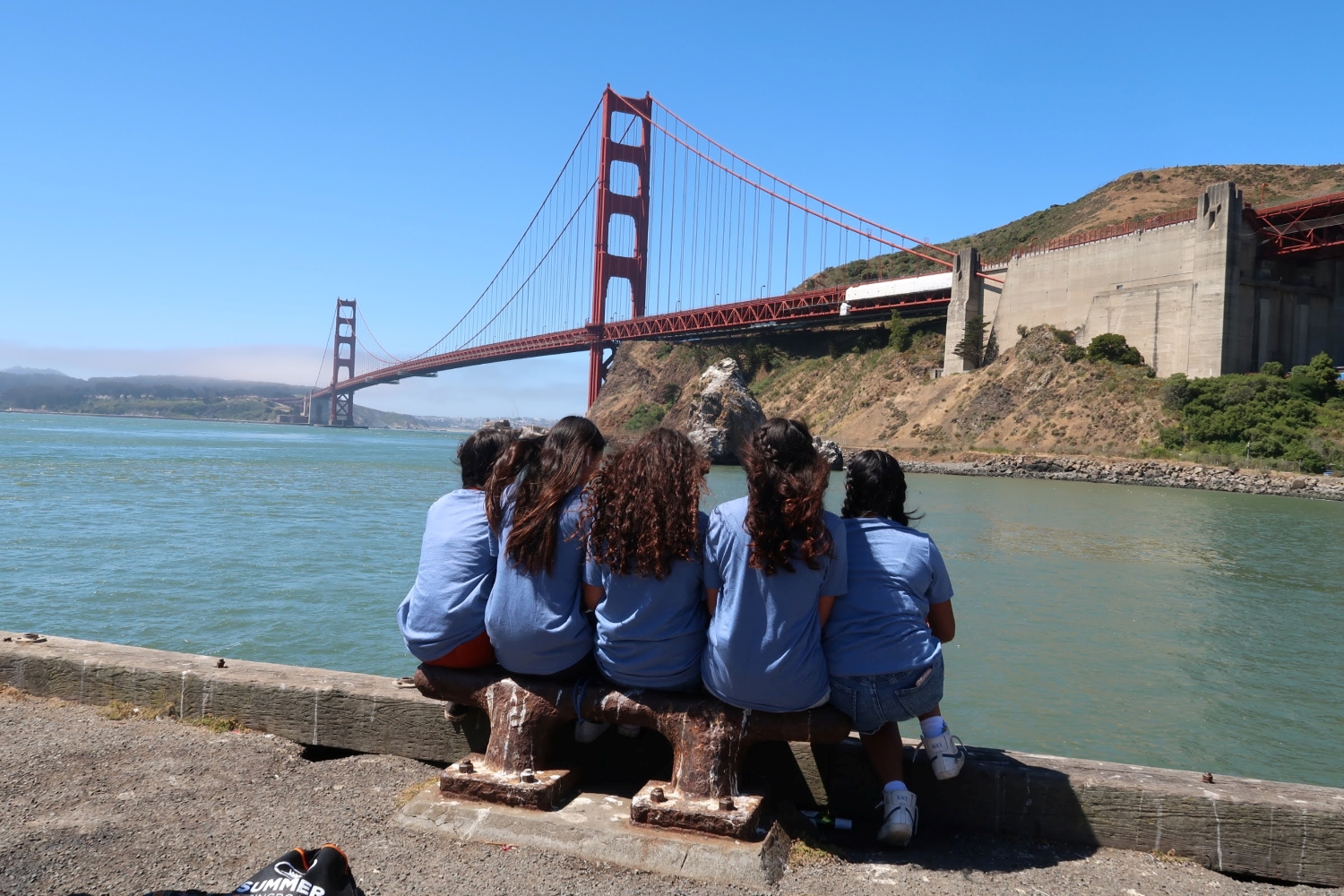
NEUROSCIENCE & BEHAVIORAL BIOLOGY
Berkeley
Berkeley, California
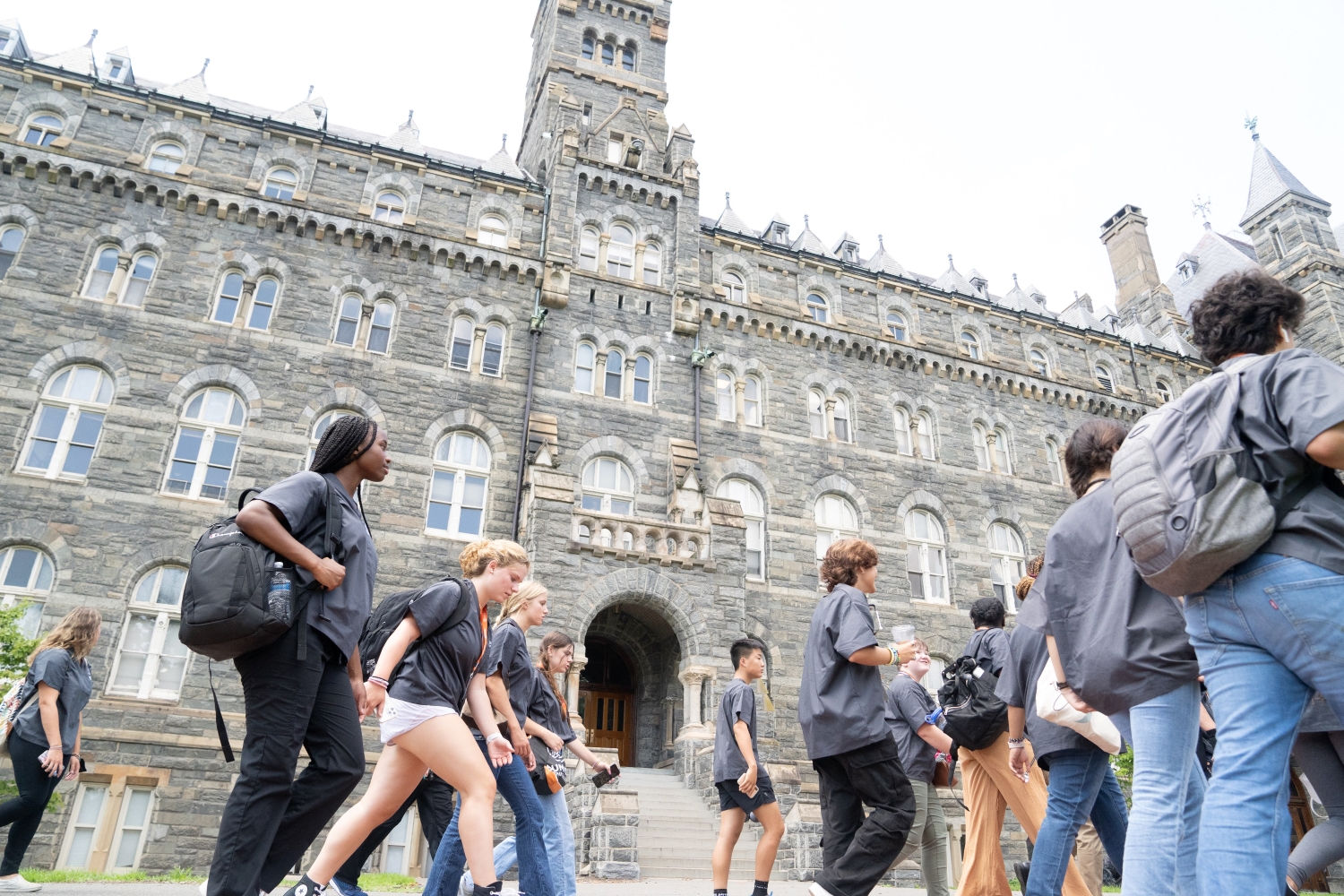
NEUROSCIENCE & BEHAVIORAL BIOLOGY
Georgetown University
Washington, DC
NEUROSCIENCE & BEHAVIORAL BIOLOGY
MIT Campus
Cambridge, Massachusetts