
Summer Springboard
Biomedical Engineering
ON THE CAMPUS OF UNIVERSITY OF MICHIGAN

EXPLORE THE EXCITING INTERSECTIONS OF ENGINEERING, TECHNOLOGY AND LIFE SCIENCES IN THIS COURSE TO HELP GUIDE YOU IN ONE OF TODAY'S FASTEST-GROWING FIELDS
THIS IS A TWO-WEEK PROGRAM WHERE YOU’LL FOCUS ON ONE COURSE FOR THE ENTIRE DURATION.
Biomedical Engineering @ University of Michigan
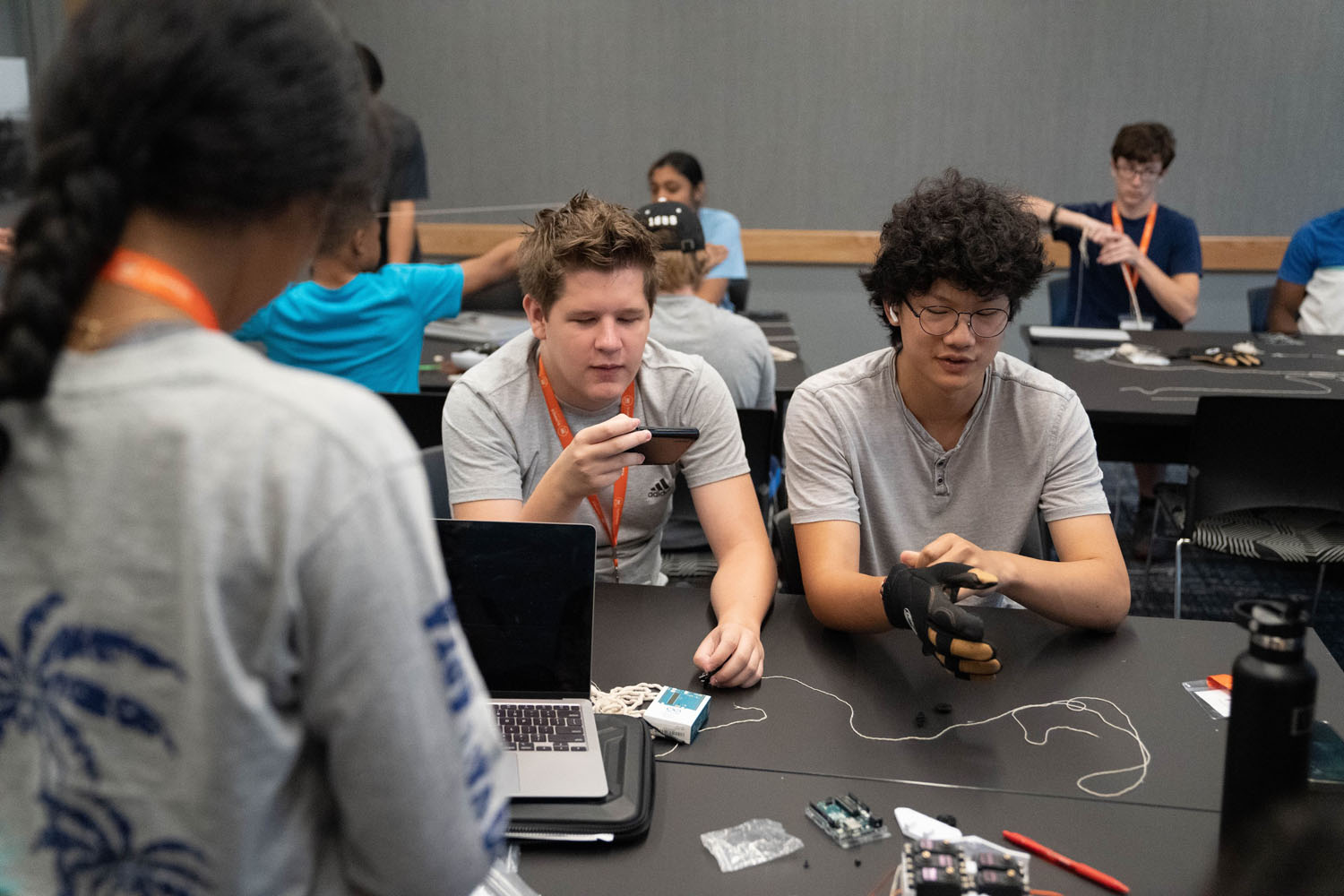
- Design and build a basic biomedical prototype, such as a prosthetic hand, while developing skills in analysis, design, and problem-solving.
- Gain a broad understanding of how engineering principles and problem-solving techniques are applied in biomedical contexts.
- Discover how biomedical engineering integrates multiple disciplines, engineering, mathematics, chemistry, and computer science to improve human health.
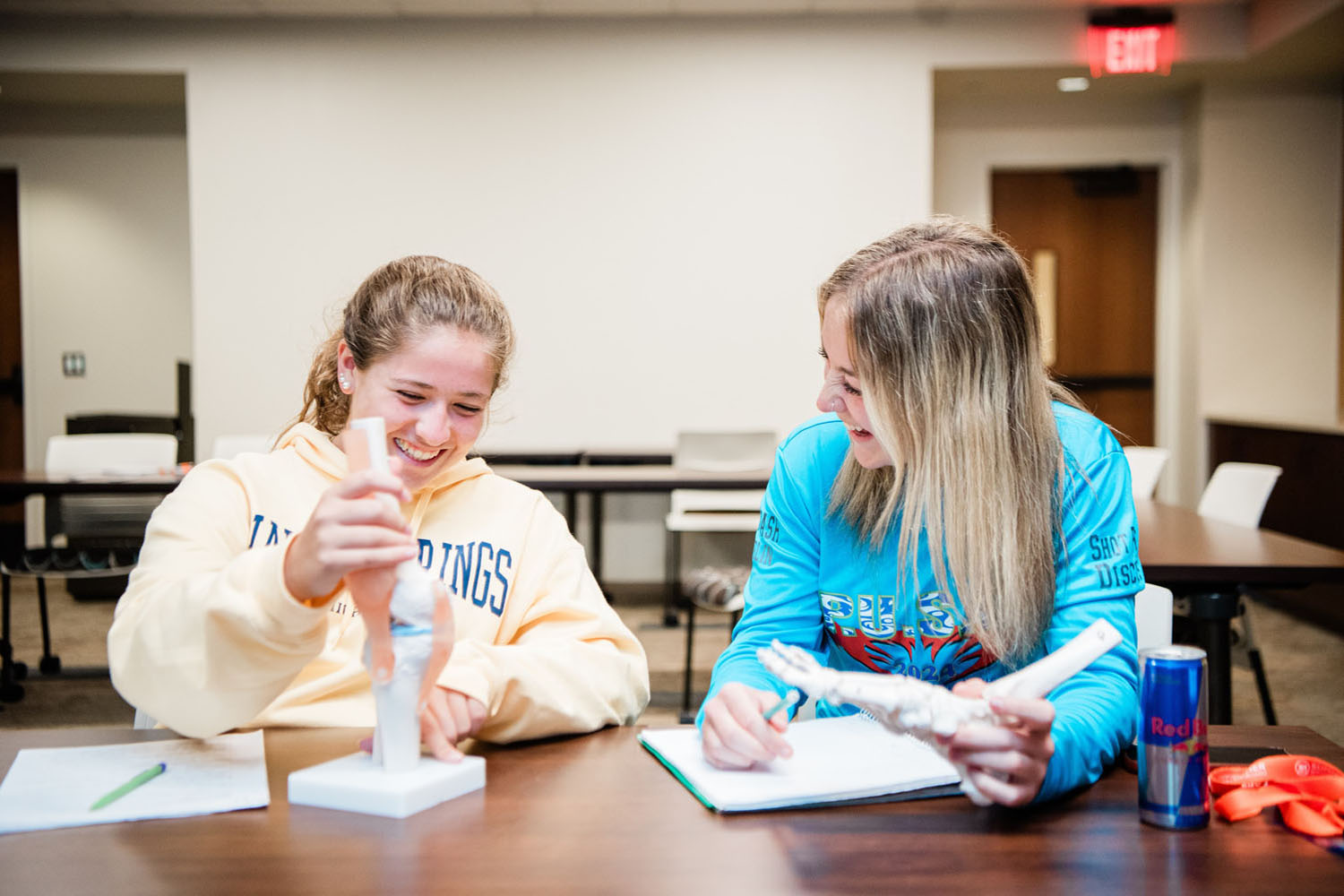
Learn about implantable medical devices like pacemakers and artificial joints, as well as cutting-edge innovations like stem cell engineering and 3D-printed biological organs.
- Explore current research trends and a wide range of career paths in the rapidly growing biomedical engineering field.
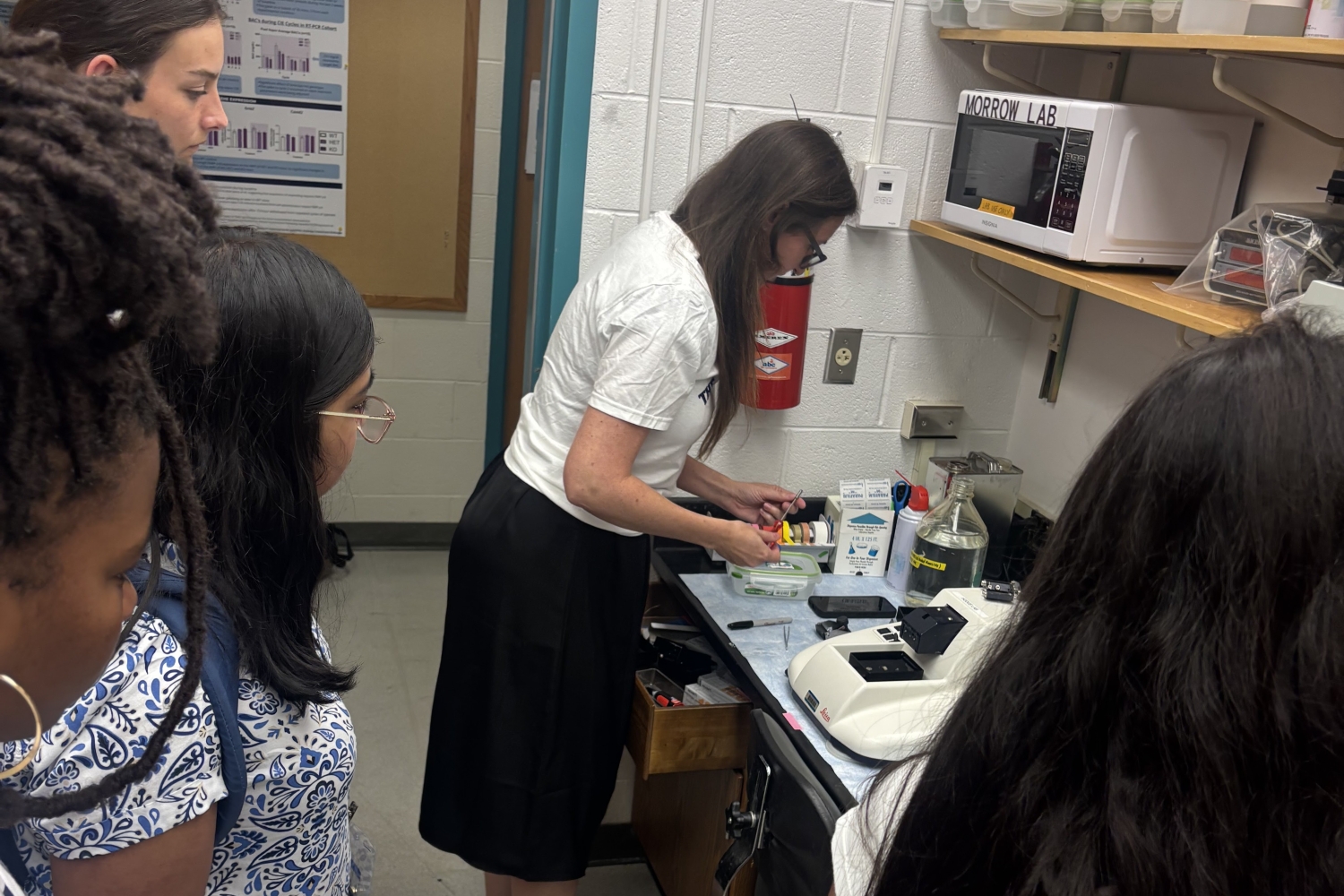
- Go on excursions to clinical labs for hands-on exposure to advanced medical technologies like CardioMEMS and the Mentis system simulator.
Summer Springboard
Biomedical Engineering

About This Course
A biomedical engineering program for teens on the University of Michigan campus.
Are you passionate about engineering, computers, and life sciences? Do you dream of designing innovative devices that help diagnose and treat diseases? The Summer Springboard Biomedical Engineering course introduces students to one of today’s most dynamic and rapidly growing fields. Studying on the University of Michigan’s vibrant campus, home to one of the nation’s top Biomedical Engineering departments, students will explore how engineering, math, chemistry, and computer science come together to improve human health, all while gaining hands-on experience in designing and building basic biomedical prototypes.
Throughout the course, students will investigate a wide range of medical innovations, from implantable devices like pacemakers and artificial joints to cutting-edge advancements such as tissue engineering and 3D-printed organs. They may also tour the engineering department or participate in other campus experiences, gaining insight into current research and potential career paths in biomedical engineering, and seeing firsthand how engineers develop life-changing technologies.
TOPICS YOU'LL EXPLORE
Hands-on Learning
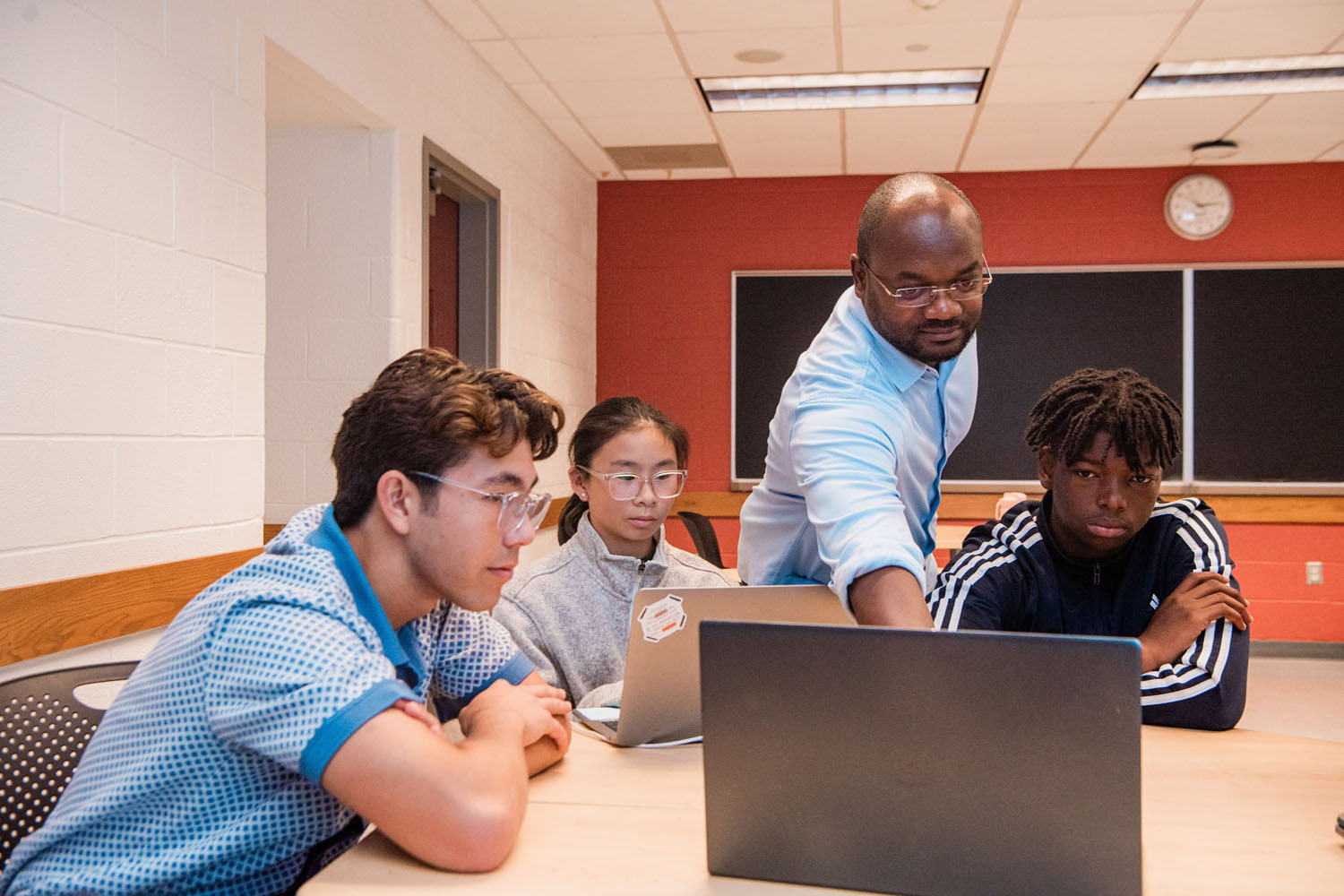
Hands-on learning is at the heart of this course. Students will design and build a basic biomedical prototype, such as a prosthetic hand, while applying real-world problem-solving and design skills. Through interactive projects and experiments, they’ll explore how engineering concepts are used to create life-changing medical technologies, gaining practical experience that brings classroom knowledge to life.
Career Exploration
This course offers students a unique opportunity to explore the wide range of career paths within the biomedical field. From designing implantable devices like pacemakers and artificial joints to working on cutting-edge innovations such as stem cell research and 3D-printed organs, students will learn about the many ways biomedical engineers are transforming healthcare. Through exposure to current research and real-world applications, students gain insight into the exciting possibilities and future careers in this rapidly evolving industry.
RESOURCES
Course Infosheet
Click here to view or download the printable infosheet for this course.
Program Catalog
Click here to request our catalog to learn more about our summer programs and courses.
Campus Page
Click here to view the website page for this campus and learn more.
“Summer Springboard is a great place for students to connect with like-minded others who are interested in the same career path.”
-Ethan S. | Alumni Student
Summer Springboard
Biomedical Engineering


Meet Your Instructor
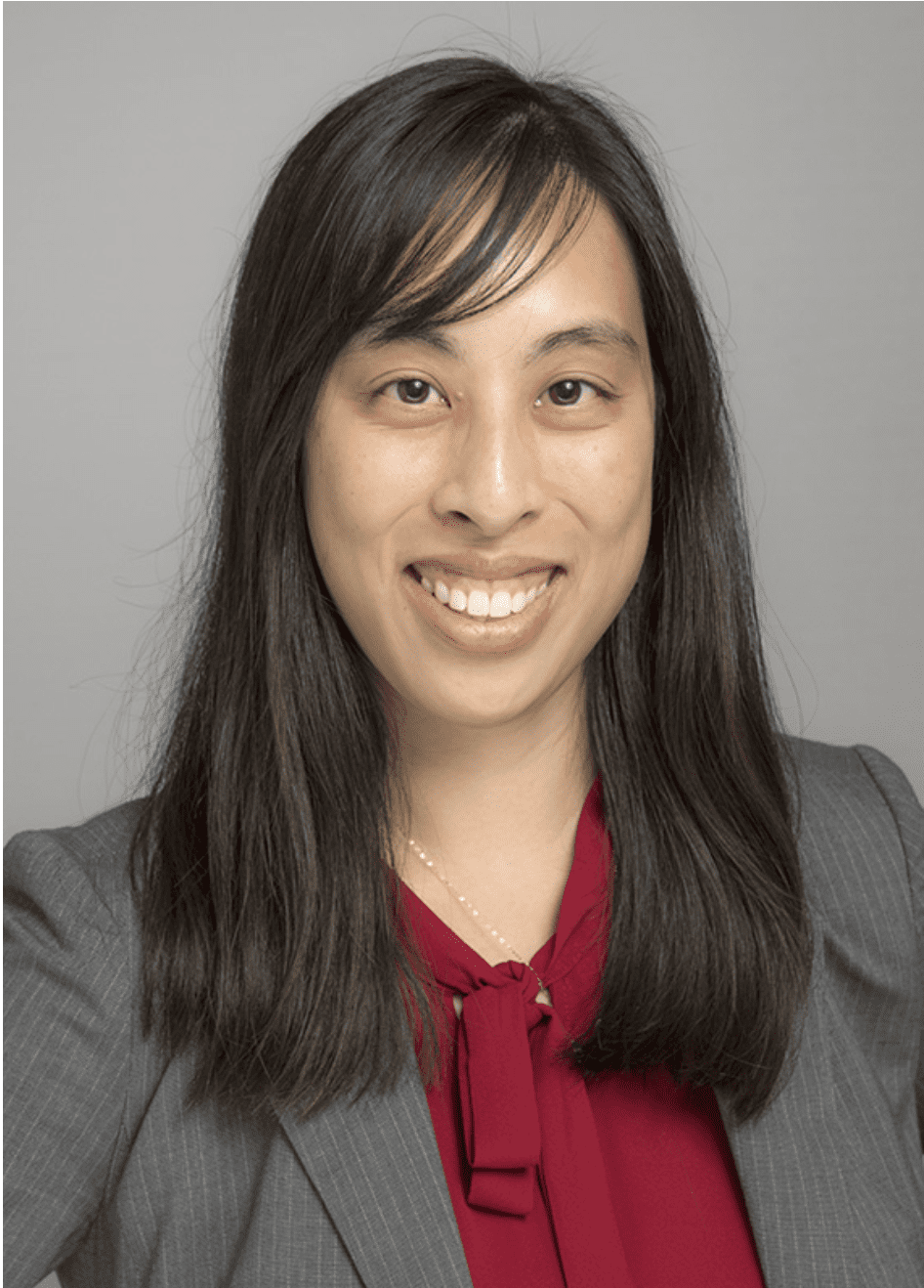
Dr. Mai Lam is an Associate Professor and Associate Chair of Biomedical Engineering at Wayne State University, where she leads cutting-edge research at the intersection of engineering, biology, and medicine. An expert in cardiovascular tissue engineering and stem cell regenerative medicine, Dr. Lam’s work focuses on designing and growing human blood vessels in the lab, research that could one day transform treatments for heart attack and vascular disease patients.
Dr. Lam earned her bachelor’s, master’s, and doctoral degrees in Biomedical and Materials Science Engineering from the University of Michigan, graduating with honors. She went on to complete postdoctoral training at Stanford University in two world-renowned labs spanning cardiovascular medicine, stem cells, and regenerative medicine. Today, her research lab combines biomaterials, biomechanics, and stem cell science to create patient-specific vascular grafts and disease models that bridge engineering innovation with real-world medical impact.
Equally passionate about teaching, Dr. Lam is a highly regarded educator who has received multiple Excellence in Teaching and Outstanding Faculty Awards. She is known for making complex scientific concepts accessible, engaging, and inspiring—especially for students curious about how engineering can directly improve human health.
DR. MAI LAM
“I enjoyed all of the people and the freedom that we had. They were amazing and I enjoyed every second of it. The classes were also amazing and I learned a lot from them. The excursions were both good learning experiences and a lot of fun.”
-Cole J. | Alumni Student
Summer Springboard
Biomedical Engineering
Dates & Tuition
| 2026 Dates |
|---|
| Session 1: July 19 – July 31, 2026 |
Click here to enroll in this course using our online enrollment form.
| Tuition |
|---|
| Residential Tuition: $5,698 |
| Commuter Tuition: $2,998 |
Tuition Protection Plan: Allows for cancellation for any reason up until the day of the program.
| Location |
|---|
| City: Ann Arbor |
| State: Michigan |
| Campus: University of Michigan |
Summer Springboard programs are not run by our campus partners (with the exception of Cal Poly, UW Foster and NYSID which are run in partnership with SSB). Universities and their affiliated departments and partners do not control and are not responsible or liable in any manner for any part of the Summer Springboard program.