
Summer Springboard
Generative AI & Machine Learning
ACADEMIC COURSE


UNLOCK THE POWER OF DATA TO PREDICT, ANALYZE, AND TRANSFORM THE WORLD AROUND YOU.
Generative AI & Machine Learning
- Apply Python programming for data analysis using libraries like pandas, matplotlib, and seaborn.
- Conduct exploratory data analysis to uncover patterns and trends in real-world datasets.
- Create meaningful data visualizations to communicate insights effectively using Python tools.
- Implement basic machine learning models after analyzing and preparing datasets.
- Explore deep learning by building and training a simple neural network with Keras or TensorFlow.
- Examine ethical issues in AI and data science, including bias, fairness, and societal impact.
Summer Springboard
Generative AI & Machine Learning
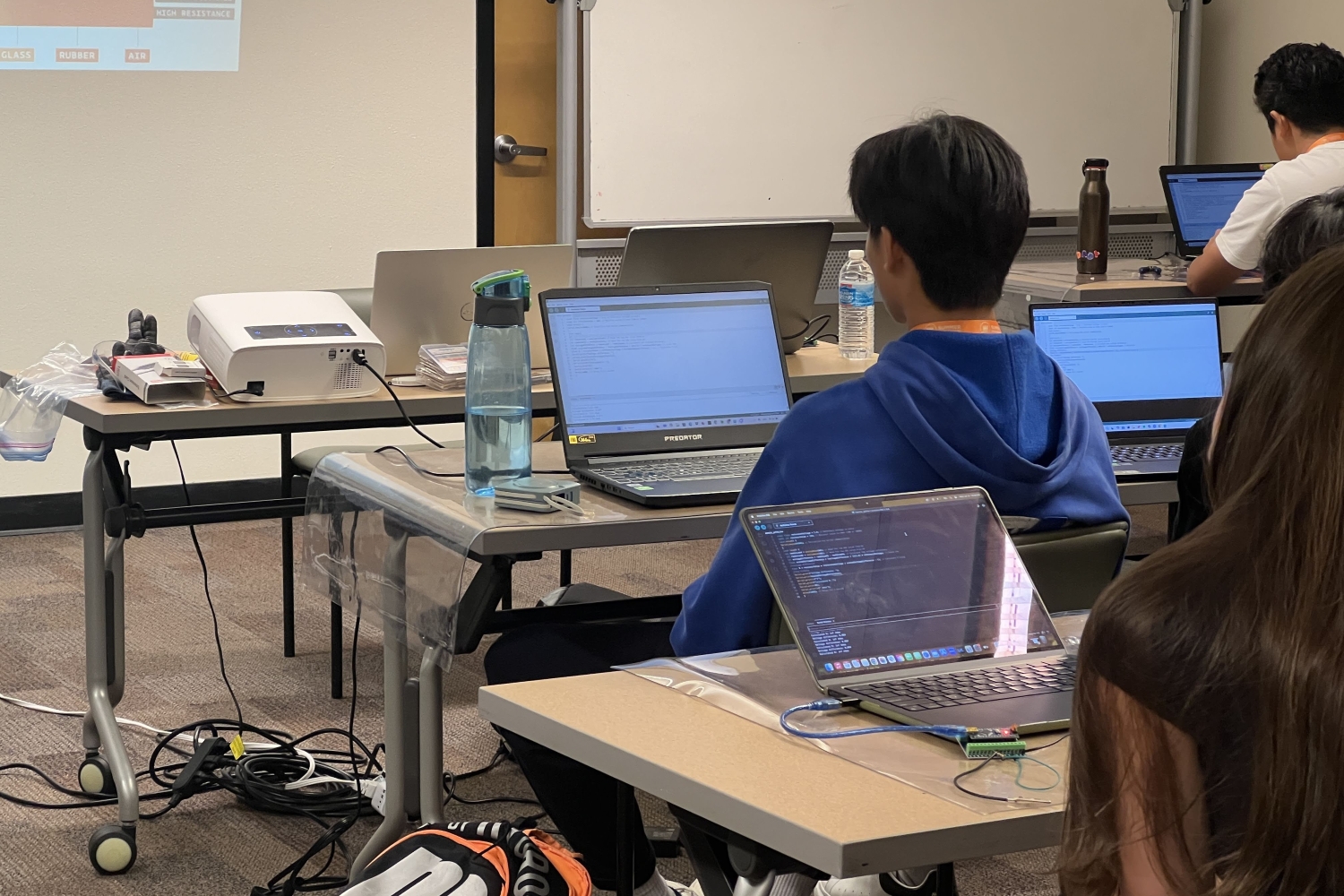

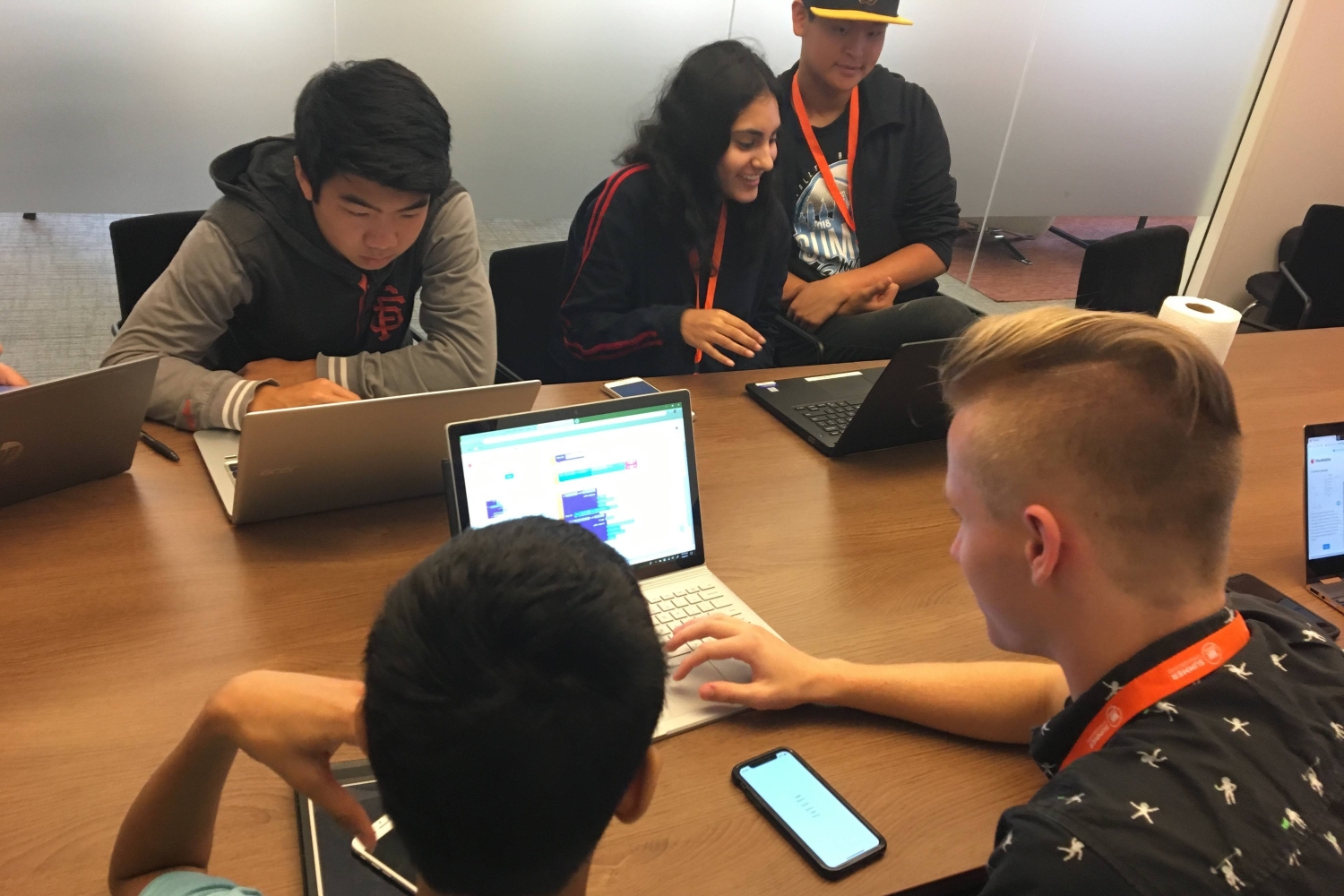
Course Overview
Did you know that data scientists hold some of the highest-paying jobs for students graduating with a bachelor’s degree in the United States? With the booming influence of data science and machine learning, more job roles and opportunities are available in this industry than ever before. From improving decision making processes to releasing innovations, data has become essential to the success of nearly every industry.
In this program, students will cover a wide range of topics from Python basics to advanced concepts like neural networks and deep learning. Students will also have an opportunity to practice their learning by applying their knowledge through projects and exercises using real-world datasets. They will gain experience with popular data science and machine learning libraries such as pandas, scikit-learn, and TensorFlow. Students will also have discussions on the ethical implications of data science and artificial intelligence to prepare them to be responsible practitioners in the field.
LEARNING OUTCOMES
Outcome #1
Write Python scripts to manipulate, analyze, and visualize data using libraries like pandas, matplotlib, and seaborn.
Outcome #2
Conduct exploratory data analysis on real-world datasets, applying statistical reasoning to identify trends and patterns.
Outcome #3
Implement and evaluate a machine learning model after thorough data preparation and exploratory analysis.
Outcome #4
Summer Springboard
Generative AI & Machine Learning
Courses by Campus

GENERATIVE AI & MACHINE LEARNING
BERKELEY
Berkeley, CA
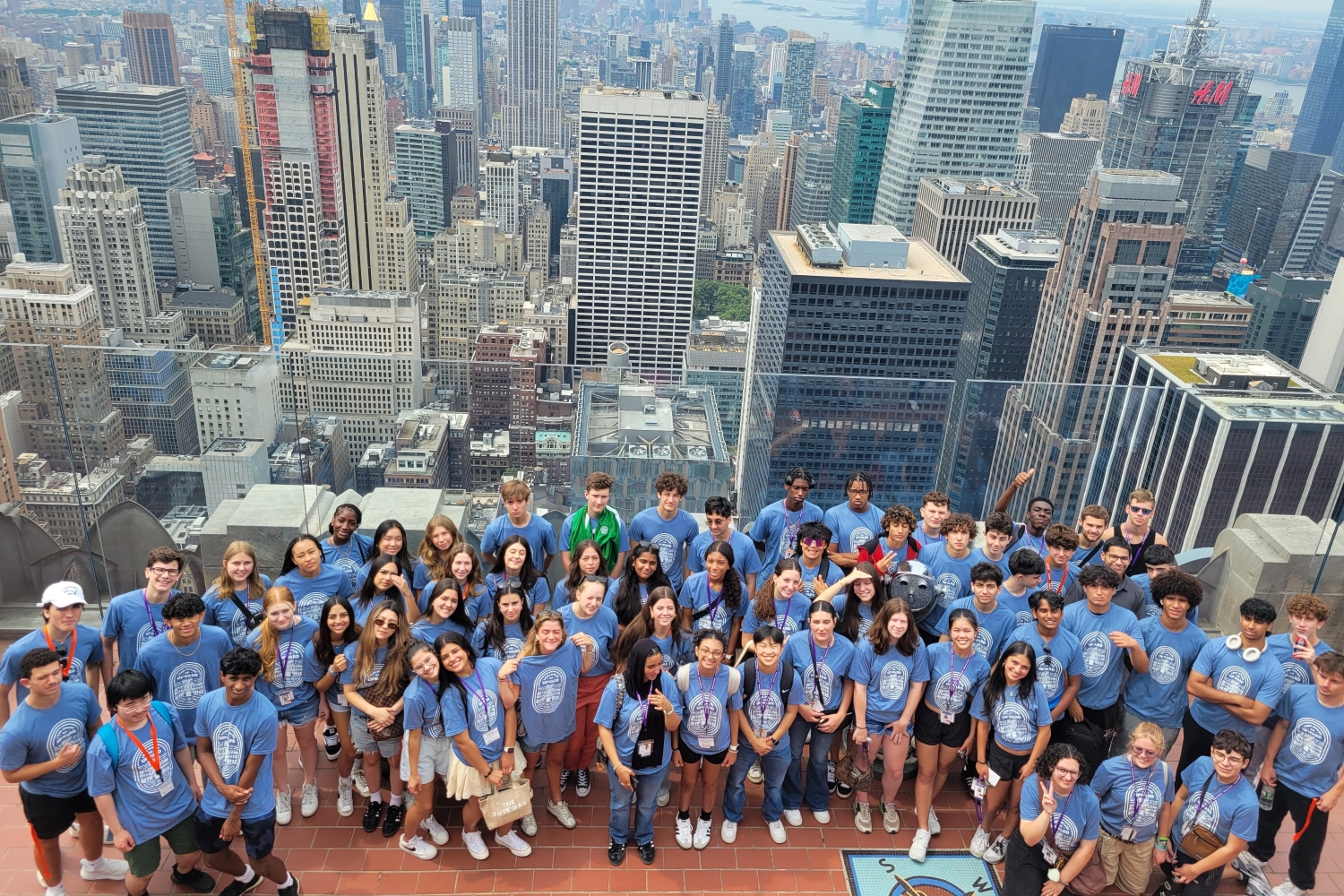
GENERATIVE AI & MACHINE LEARNING
BARNARD COLLEGE, COLUMBIA UNIVERSITY
New York City, New York