
Summer Springboard
Neuroscience & Behavioral Biology
ON THE CAMPUS OF MIT

EXPLORE THE FASCINATING WORLD OF NEUROSCIENCE THROUGH HANDS-ON LEARNING AND REAL-WORLD EXPERIENCES ON THE CAMPUS OF MIT
THIS IS A TWO-WEEK PROGRAM WHERE YOU’LL FOCUS ON ONE COURSE FOR THE ENTIRE DURATION.
Neuroscience & Behavioral Biology @ Cambridge, MA
- Gain a comprehensive introduction to neurobiology and the interdisciplinary study of neuroscience, focusing on the brain and nervous system.
- Explore how the nervous system orchestrates thought, action, and emotion by examining molecules, cells, and neural circuits.
- Understand developmental processes and investigate the effects of brain injury and neurological diseases.
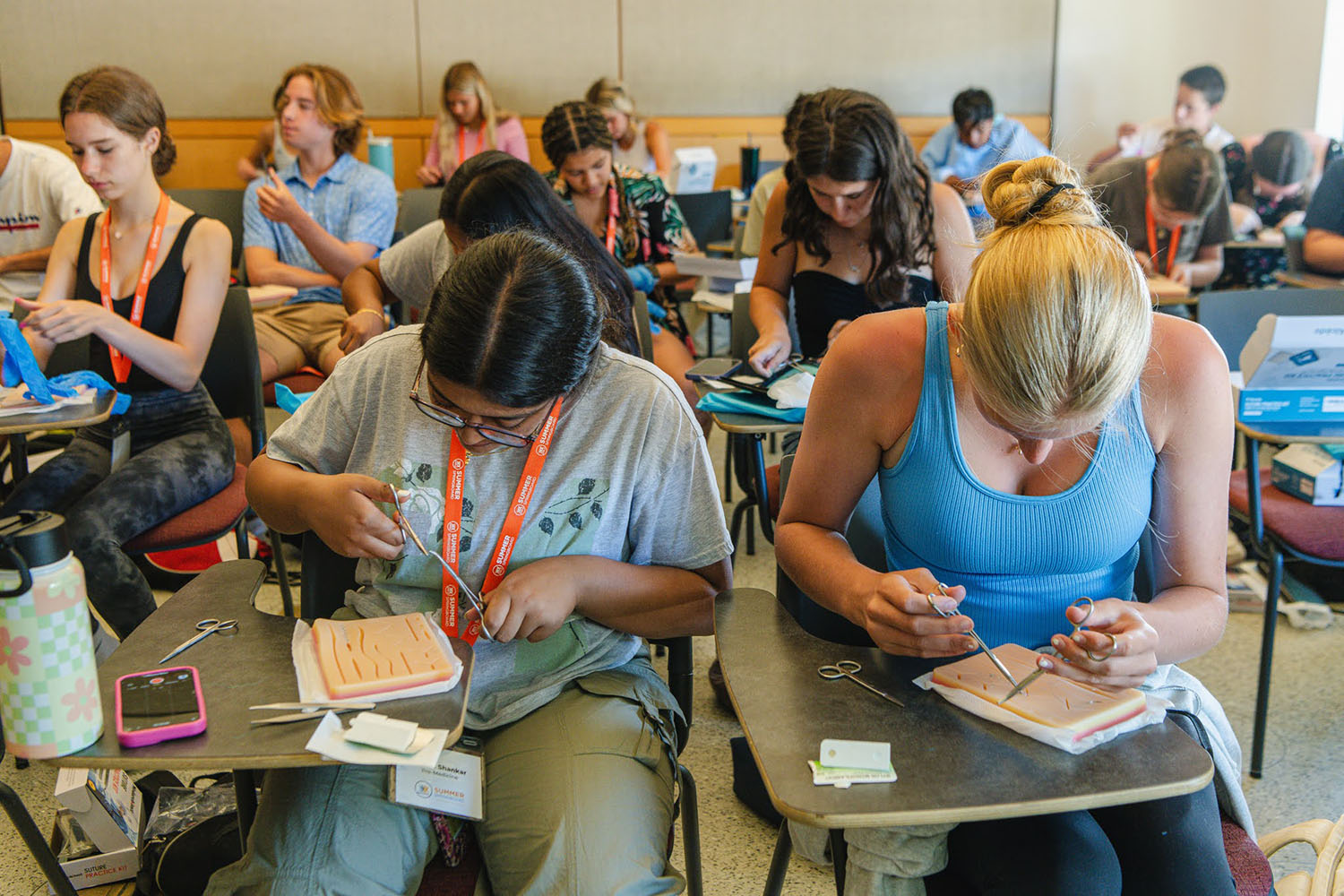
- Participate in hands-on experiments using molecular, microbiological, and cell biology techniques commonly employed in research labs.
- Develop critical thinking and analytical skills through scientific inquiry, experimentation, and interactive discussions.
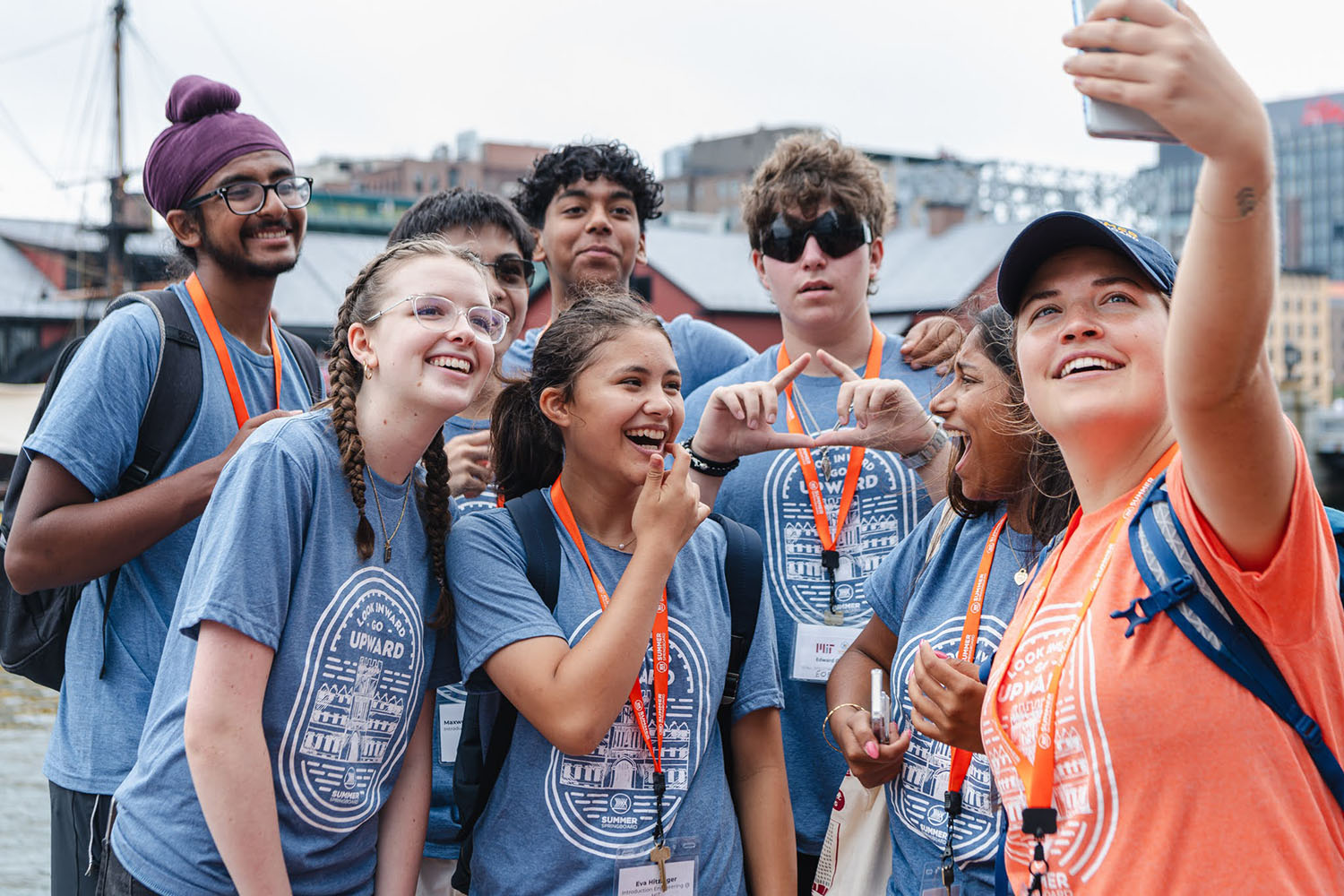
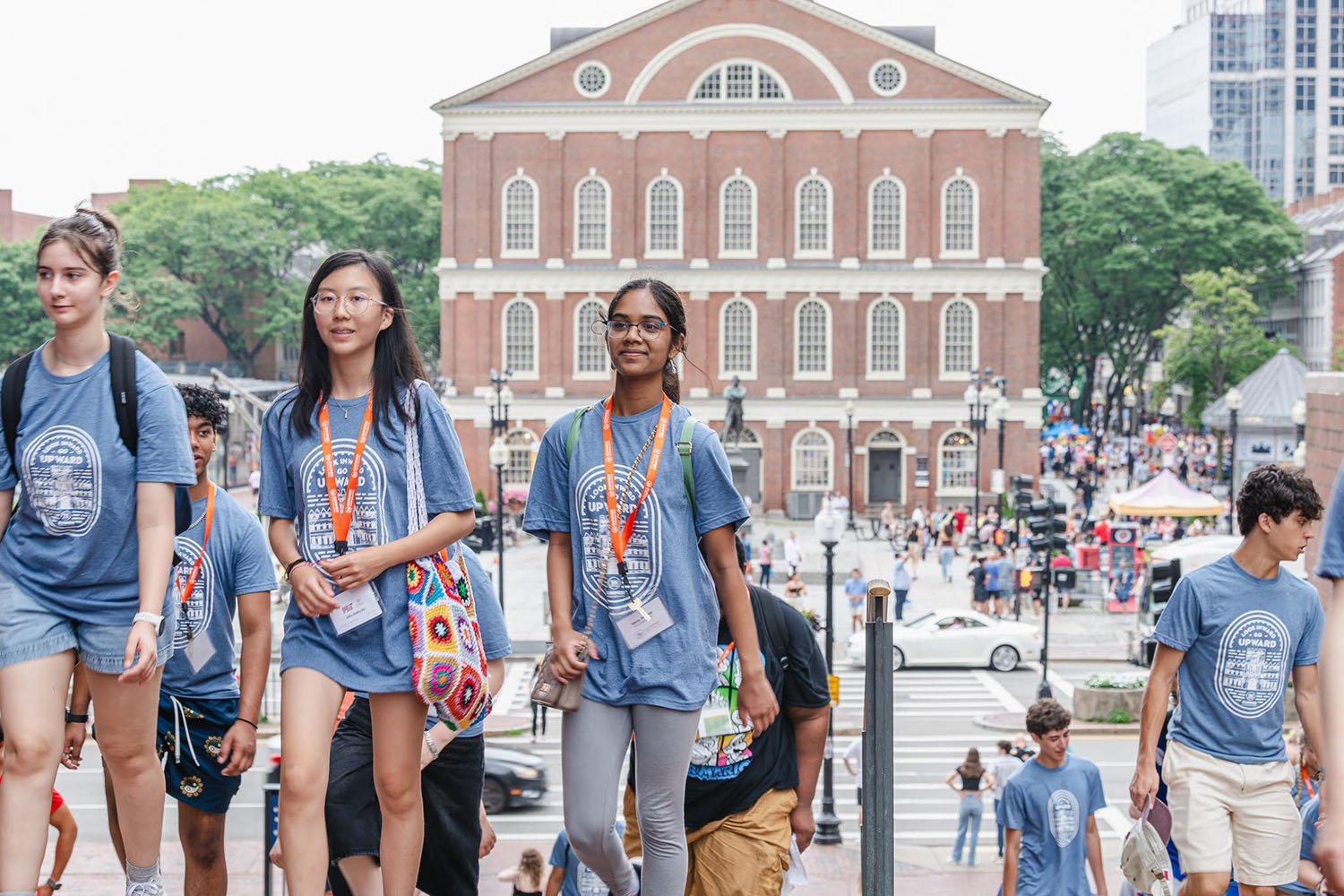
- Visit a local neuroscience center to engage with ongoing research and interact with professional neurobiologists, while exploring diverse career opportunities in neurobiology.
Summer Springboard
Neuroscience & Behavioral Biology


About This Course
A neurobiology program for teens on a university campus in Cambridge, MA
This course provides a thorough introduction to neurobiology and the interdisciplinary field of neuroscience, focusing on the brain and nervous system. Students will explore how the nervous system controls thought, action, and emotion by studying molecules, cells, and neural circuits. Through lectures, discussions, and hands-on activities, they will examine normal brain function, developmental processes, and the effects of brain injury and disease, gaining a comprehensive understanding of neurobiological principles.
In addition to the science, students will learn about diverse career opportunities in neurobiology, including research, biotechnology, drug discovery, clinical settings, biomedical engineering, and neuroinformatics. The course also emphasizes developing critical thinking and analytical skills through scientific inquiry and experimentation. Unique experiences like visiting a local neuroscience center and interacting with professional neurobiologists will further enrich students’ learning and insight into the field.
TOPICS YOU'LL EXPLORE
Hands-on Learning
Hands-on experiments in this course provide students with practical experience in a variety of molecular, microbiological, and cell biology techniques commonly used in neuroscience research. These activities complement lectures and discussions, allowing students to directly explore how the nervous system functions at multiple levels—from molecules to complex neural circuits. By engaging in these experiments, students develop critical scientific skills and deepen their understanding of neurobiological processes that underlie behavior, development, and disease.
Career Exploration
Students will have the chance to explore diverse career paths in neurobiology through visits to local neuroscience centers and direct interactions with professional neurobiologists. This hands-on exposure highlights opportunities in academic research, biotechnology, drug discovery, clinical practice, biomedical engineering, neuroinformatics, and more. By connecting classroom learning with real-world experiences, students gain valuable insights into the wide range of jobs available in this dynamic and growing field.
RESOURCES
Course Infosheet
Click here to view or download the printable infosheet for this course.
Program Catalog
Click here to request our catalog to learn more about our summer programs and courses.
Campus Page
Click here to view the website page for this campus and learn more.
“I think this was the best camp I have ever been to. I made so many life long friends and I actually feel confident in the career that I want to pursue.”
-Eden D. | Alumni Student
Summer Springboard
Neuroscience & Behavioral Biology
Meet Your Instructor
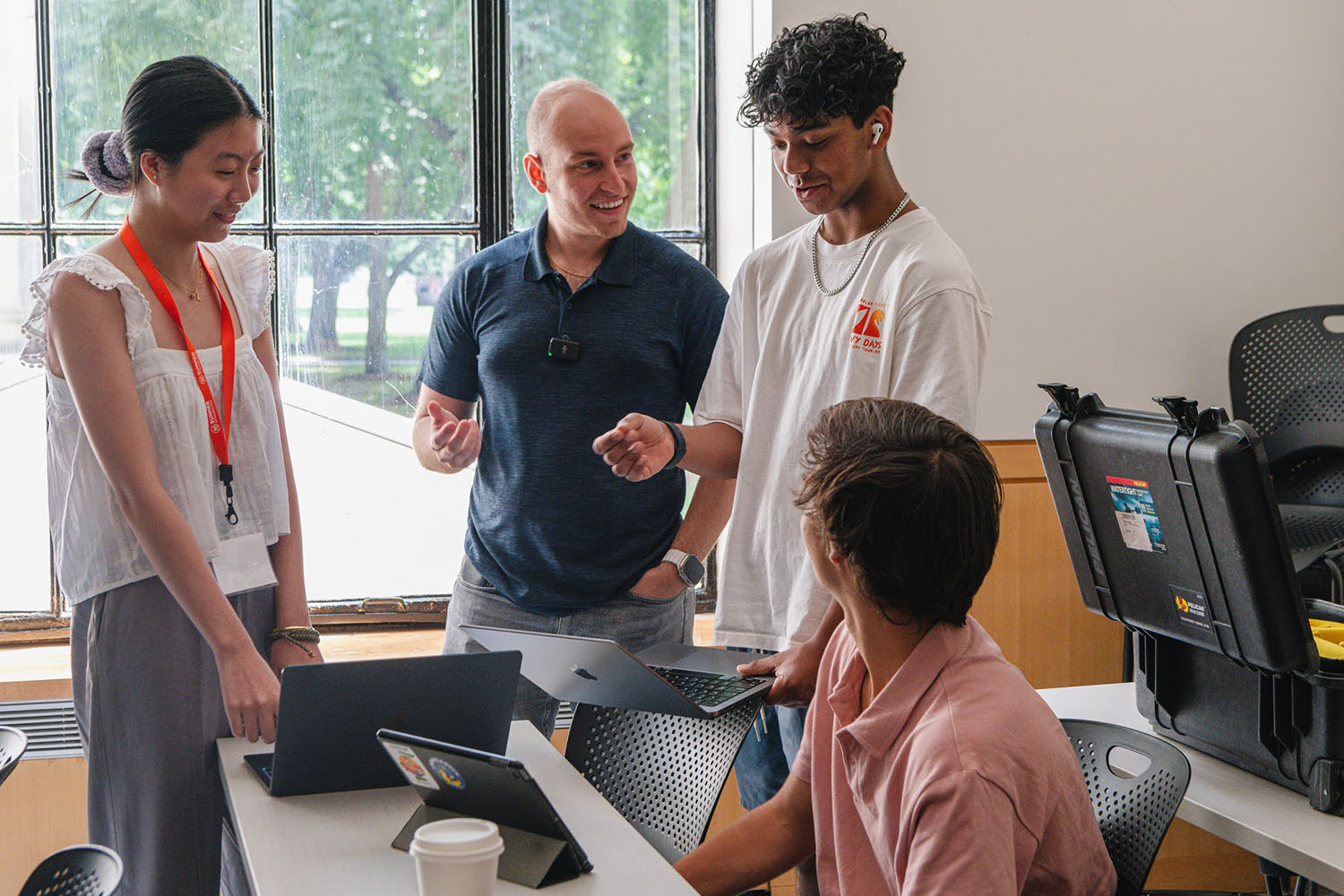
Tawny Stinson is a medical student at Harvard studying to become a neurosurgeon. Before medical school, she researched abusive head trauma and post-traumatic epilepsy at the Massachusetts General Hospital Brain Trauma Lab. From this research, she has been involved with five manuscripts and has presented at five national conferences. She has experience working in an emergency room, teaching college physics as a learning assistant, coaching and mentoring high school students through Boston Scores, and teaching a class on research and ethics through the MIT Cascade program. She has been invited to give talks and presentations to students at Harvard and Tufts on leadership, neuroscience, and excelling in medicine. Outside of medicine, Tawny enjoys hiking, cheering on her favorite soccer team, and working on her first novel.
TAWNY STINSON
“Being able to learn about something interesting and experience something similar to college life while still being in a safe environment was really nice. The excursions were also a lot of fun.”
-Kimli L. | Alumni Student
Summer Springboard
Neuroscience & Behavioral Biology
Dates & Tuition

| 2026 Dates |
|---|
| Session 1: June 21 – July 3, 2026 |
| Session 2: July 5 – July 17, 2026 |
Click here to enroll in this course using our online enrollment form.
| Tuition |
|---|
| Residential Tuition: $6,798 |
| Commuter Tuition: $3,498 |
| Course Supplement: $250 |
Tuition Protection Plan: Allows for cancellation for any reason up until the day of the program.
| Location |
|---|
| City: Cambridge |
| State: Massachusetts |
| Campus: MIT |
Summer Springboard programs are not run by our campus partners (with the exception of Cal Poly and NYSID which are run in partnership with SSB). Universities and their affiliated departments and partners do not control and are not responsible or liable in any manner for any part of the Summer Springboard program.